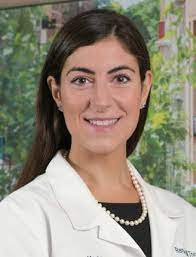
Acute myeloid leukemia (AML) is an aggressive blood cancer that can be difficult to treat, particularly when the disease returns after an initial response to therapy. Dr. Francesca Ferraro, a physician-scientist at Washington University School of Medicine in St. Louis, is investigating the molecular mechanisms that allow leukemia to develop, progress, and evade the body’s defenses. Her research aims to identify new vulnerabilities that could eventually lead to more personalized treatment strategies.

An International Scientific Journey
Dr. Ferraro earned her medical degree and PhD at the University of Parma in Italy before continuing her research career in the United States. She conducted research at Harvard and Fox Chase Cancer Center, completed internal medicine residency training at Pennsylvania Hospital in Philadelphia, and pursued hematology-oncology fellowship training at Washington University.
She is now an assistant professor of medicine in WashU Medicine’s Division of Oncology and treats patients with blood cancers while leading laboratory research into leukemia biology.
Her career reflects the value of combining clinical experience with detailed investigation of the biological processes underlying disease.
Investigating the Biology of Leukemia
Ferraro’s laboratory studies how genetic mutations affect blood-forming cells and contribute to AML. One major focus is MYC, a protein involved in regulating cell growth and other essential cellular processes. Abnormal MYC activity can help cancer cells survive and multiply.
In research published in 2024, Ferraro and her collaborators examined specific MYC mutations and found that they could promote leukemia development by affecting processes including cell growth, cell death, and the movement and stability of messenger RNA. These findings helped clarify how particular mutations can contribute to the progression of blood cancer.
Her team uses experimental models, patient-derived samples, and molecular analysis to investigate how leukemia develops and why some cancer cells resist treatment.
New Funding for Future Treatment Research
In 2026, Ferraro received a Damon Runyon Clinical Investigator Award supporting her research into AML. She also received an Award for Research Careers in Hematology from the American Society of Hematology.
Her ongoing work seeks to identify weaknesses in leukemia cells that could be targeted with more precise therapies. Such research is important because many patients experience relapse, while some patients cannot tolerate the most intensive available treatments.
These investigations remain part of the broader effort to translate discoveries about cancer biology into improved therapies; they do not yet establish a new treatment for patients.

Building Toward More Personalized Cancer Care
Dr. Francesca Ferraro’s work brings together patient care, laboratory research, and the training of future physician-scientists. By investigating the molecular drivers of leukemia, she is helping expand scientific understanding of a challenging disease and exploring possible directions for future treatment development.
Her research highlights the importance of understanding cancer at the genetic and cellular levels to help guide the next generation of oncology care.