Introduction: Real Estate Is More Than Buildings
A commercial building is the visible result of a process that begins long before construction. Behind its physical structure are financing arrangements, legal agreements, property research, regulatory requirements, and decisions about how the space will serve businesses and communities. Understanding these interconnected elements offers a broader perspective on how commercial real estate takes shape across the United States.
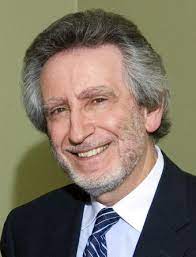
Jacob Frydman’s professional background provides a useful context for examining these relationships. With a bachelor’s degree in finance from Boston University and a Juris Doctor from Case Western Reserve University School of Law, his career combines financial services, real estate acquisition, property development, and legal work. His professional experience spans more than 5.5 million square feet of real estate and transactions valued at more than $2.2 billion.
These figures provide a starting point for exploring a larger industry question: how do financial structures, legal frameworks, and the practical requirements of property ownership interact to shape the built environment?
The Financial Architecture of Commercial Real Estate
Understanding Capital and Property Ownership
Commercial real estate includes properties used for business activities, such as office buildings, retail centers, industrial facilities, and certain residential properties operated as income-producing assets. Unlike a typical owner-occupied home, a commercial property may depend on rental income, business occupancy, and financing arrangements to support its operations.
The development process often involves several sources of capital. A developer may contribute equity, obtain a commercial mortgage, or establish a partnership with other capital providers. Each arrangement creates different financial obligations and ownership relationships.
Debt financing involves borrowing money that must be repaid according to agreed terms. Equity represents an ownership interest that generally participates in the property’s financial results. The balance between these sources influences a project’s financial structure, while loan covenants, repayment schedules, and contractual conditions establish additional obligations.
The Office of the Comptroller of the Currency identifies acquisition, development, construction, and income-producing property loans as important categories of commercial real estate lending. Its guidance also recognizes the risks associated with these activities.
Jacob Frydman’s experience across finance and real estate illustrates the professional intersection represented by this industry structure. Understanding financial services can provide context for examining how property transactions are organized, although the terms and circumstances of each transaction differ.
Why Financing Is Connected to Property Use
A property’s intended use influences how its financial structure is evaluated. An office building occupied by several businesses operates differently from an industrial warehouse leased to a distribution company.
Rental agreements, operating expenses, maintenance requirements, and occupancy patterns can all affect a property’s income and financial obligations. Lenders and property owners therefore consider more than the building’s physical characteristics when assessing a commercial real estate transaction.
For example, imagine a hypothetical office property with several tenants whose leases expire at different times. Its financial profile may depend on whether tenants renew, whether vacant space can be leased, and how much maintenance the building requires. These considerations connect property management directly to financing and ownership.
The Legal Framework Behind Property Transactions
Contracts, Ownership, and Due Diligence
Commercial real estate transactions involve a network of legal documents that define rights, responsibilities, and conditions. Purchase agreements establish the terms under which ownership may transfer. Loan agreements specify repayment obligations and other financing conditions. Leases define the relationship between property owners and tenants.
The process also involves due diligence, meaning the investigation of relevant facts before a transaction or development proceeds. Depending on the property, this may include examining title records, existing leases, building conditions, environmental history, zoning rules, and outstanding legal obligations.
These inquiries help establish what a property is, how it may be used, and what responsibilities may accompany its ownership. A building’s appearance alone cannot reveal every restriction, defect, contractual commitment, or environmental concern associated with it.
Legal documentation also connects different participants. Buyers, sellers, lenders, tenants, contractors, and government authorities may have distinct interests that must be reflected in the relevant agreements and approvals.
Jacob Frydman’s legal background provides a relevant lens for understanding this dimension of the industry. He currently serves as counsel at Schwartz, Conroy & Hack, advising clients on commercial real estate transactions and litigation. His combined legal and financial experience reflects the overlap between contractual obligations and the economic realities of property ownership.
Zoning and the Regulation of Land Use
A parcel of land does not automatically permit every possible building or business activity. Zoning ordinances and other land-use regulations establish rules that may govern building height, density, permitted uses, parking, setbacks, and other development characteristics.
These requirements vary by jurisdiction. A site that accommodates offices under one zoning classification may face restrictions on residential use or require additional approvals for a mixed-use project.
Consider a hypothetical developer evaluating an older commercial property for conversion into apartments. The building’s location and physical structure may make the idea appear feasible, but zoning, building codes, accessibility requirements, fire safety standards, and other regulations can affect whether the proposed use is permitted and what modifications are necessary.
This illustrates why real estate law is not separate from development. Regulatory requirements influence a property’s potential uses, while those uses affect design, construction costs, leasing arrangements, and financing considerations.
From Acquisition to Development: How Projects Take Shape
Commercial property development typically involves several connected stages. These can include site identification, acquisition, feasibility analysis, design, regulatory review, financing, construction, leasing, and ongoing management.
The sequence is not always linear. A zoning review may change a proposed design, construction estimates may affect financing discussions, and market research may lead to a different intended use.
At the acquisition stage, a property’s location, physical condition, ownership records, and existing agreements become relevant. During planning, developers and project teams consider site constraints, infrastructure, intended occupants, and applicable regulations.
Construction introduces another set of considerations, including contractor agreements, labor availability, material costs, schedules, and inspection requirements. Once a property becomes operational, maintenance, tenant relations, insurance, and compliance continue to influence its performance.
Jacob Frydman has participated in property development and acquisition across the United States. His portfolio includes Manhattan properties such as the DHL Center at 500 Tenth Avenue, the Aetna Building, and Two Dag Hammarskjold Plaza. These named properties provide concrete examples of the commercial buildings associated with his professional background without implying that every development follows an identical process.
The broader lesson is that a finished building represents the coordination of multiple systems. Architecture creates the physical space, finance establishes funding arrangements, legal agreements define obligations, and development management brings the various elements together.
Commercial Buildings and the Changing American City
Location, Infrastructure, and Economic Activity
Commercial properties are connected to the surrounding urban environment. Transportation networks, access to workers, nearby businesses, public services, and neighborhood characteristics can influence how a building is used.
An office building near major transit connections may serve a different tenant population from a suburban office campus designed around automobile access. An industrial facility depends on its relationship to roads, freight networks, utilities, and distribution routes. Retail properties are affected by customer access, surrounding businesses, and patterns of local activity.
These relationships also extend beyond individual property boundaries. Office workers may support nearby restaurants and shops, while industrial buildings contribute to logistics networks that move goods between producers and consumers.
Commercial real estate consequently forms part of a city’s economic infrastructure. Its development can influence employment patterns, neighborhood activity, land use, and the distribution of business services.
The Changing Role of Office Buildings
Office real estate offers a useful example of how economic and social changes affect property use. Hybrid work arrangements, tenant expectations, building operating costs, and differences in location have contributed to varied conditions across the U.S. office market.
Research published in Emerging Trends in Real Estate 2026, produced by PwC and the Urban Land Institute, describes an office sector undergoing repricing and restructuring. The report highlights differences among central-city and suburban markets, alongside interest in redevelopment and adapting existing buildings to changing needs.
These developments illustrate why commercial real estate cannot be understood through a single national pattern. Buildings in the same city may experience different occupancy conditions because of their age, location, amenities, physical design, and suitability for prospective tenants.
Some older properties may be considered for alternative uses, including residential conversion. Such projects can involve substantial design and regulatory challenges because buildings originally constructed for offices may not readily accommodate residential layouts, light requirements, plumbing systems, or other needs.
Jacob Frydman’s experience with Manhattan commercial properties provides context for considering the relationship between individual buildings and the wider urban environment. However, the circumstances of any particular property must be evaluated independently; the broader industry does not follow one universal development model.
Bringing Finance, Law, and Community into One Perspective
The different dimensions of commercial real estate are closely connected, but they do not always point in the same direction. A proposed development may have an appealing location but face zoning restrictions. A building may attract prospective tenants while requiring extensive repairs. A financing structure may establish clear repayment obligations while the property’s operating conditions remain uncertain.
These interactions help explain why real estate development involves professionals from multiple disciplines. Financial specialists assess capital structures and obligations. Attorneys work with contracts, ownership questions, and disputes. Architects and engineers address design and physical conditions. Planners and public authorities evaluate land use and regulatory compliance. Property managers oversee the building’s continuing operation.
Jacob Frydman’s career brings several of these professional dimensions together through finance, law, acquisition, development, and legal counsel. His background offers an example of how different areas of expertise intersect within commercial property markets.
The significance extends beyond individual careers. Commercial buildings are long-lived physical assets, but their uses and economic roles can change. Their continued relevance depends partly on how well their structures, locations, legal permissions, and operating arrangements correspond with evolving needs.
Conclusion: Understanding the Systems Behind the Built Environment
U.S. commercial real estate is shaped by more than property prices or architectural design. Financing determines how projects are funded, contracts establish the responsibilities of participants, regulations define permissible uses, and local economic conditions influence how buildings function.
Jacob‘s multidisciplinary professional background offers a useful context for understanding these connections. His experience across finance, real estate development, and law illustrates the range of expertise represented in an industry where physical assets and complex institutional arrangements meet.
Examining these relationships provides a more complete understanding of how commercial properties are acquired, developed, operated, and incorporated into American cities. Each building reflects a distinct combination of legal conditions, financial arrangements, physical characteristics, and community needs.
Real estate, viewed through this broader perspective, is not simply the business of constructing or owning buildings. It is also the process through which land, capital, regulations, and human activity come together to shape the places where people work, conduct business, and participate in local economies.
Informational Disclaimer: This article is intended for general informational and educational purposes only and does not constitute financial, investment, or legal advice.
Sources for further reading: