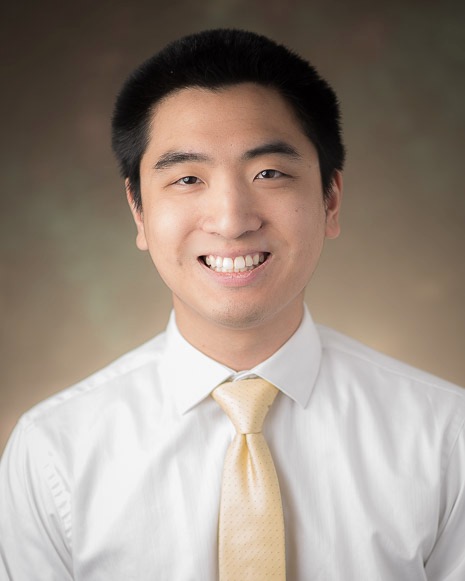
Joint pain and sports injuries can interfere with everyday activities, athletic performance, and long-term mobility. Dr. Eugene Y. Roh, MD, a clinical professor of orthopaedic surgery at Stanford University, is working to improve the evaluation and treatment of these conditions through innovative approaches to sports medicine.
His work focuses on non-surgical care, musculoskeletal ultrasound, and orthobiologics—an area of medicine that investigates biological materials and treatments that may help manage injuries and joint disorders.

A Career Combining Medicine and Sports Performance
Dr. Roh earned his medical degree from Yonsei University College of Medicine in South Korea before completing postgraduate training in the United States. He trained in internal medicine and physical medicine and rehabilitation at U.S. institutions and completed a sports medicine fellowship associated with Harvard Medical School and Massachusetts General Hospital.
At Stanford, he serves as director of the Musculoskeletal Sports Ultrasound Medicine Service and co-director of the Orthobiologics Clinic.
His experience extends beyond academic medicine. He served as a physician for Team USA at the 2018 Winter Olympic Games, worked with the Golden State Warriors, and currently provides medical expertise to the San Francisco 49ers and Stanford athletics.
These roles allow him to work with patients ranging from recreational athletes to elite competitors, helping address injuries that affect movement and performance.
Advancing Ultrasound-Guided Diagnosis
One important part of Dr. Roh’s work involves musculoskeletal ultrasound, which allows physicians to examine muscles, tendons, ligaments, and joints in real time.
Unlike some imaging approaches, ultrasound can be performed dynamically, allowing clinicians to assess structures while a patient moves. It can also help guide injections and other minimally invasive procedures.
Dr. Roh has contributed to the development and use of ultrasound techniques in sports medicine. His research includes investigating how advanced ultrasound imaging may help identify tendon abnormalities and other musculoskeletal conditions that can be difficult to diagnose.
In 2026, research involving Dr. Roh examined the diagnostic value of physical examination findings for iliopsoas tendinitis, a condition that can cause pain in the front of the hip. The study highlighted how targeted clinical examination, supported by ultrasound-guided injections when appropriate, may help clinicians identify the source of pain.
Investigating Regenerative Treatments
Dr. Roh also leads clinical work involving orthobiologics, including platelet-rich plasma and microfragmented adipose tissue.
These approaches are being studied for conditions such as osteoarthritis and tendon injuries. Researchers are investigating whether biological materials can improve symptoms, function, or recovery compared with conventional treatments.
Stanford has conducted clinical trials comparing microfragmented adipose tissue injections with corticosteroid injections for knee and shoulder osteoarthritis. Such studies are important because the effectiveness of regenerative treatments can vary by condition, technique, and patient.
These treatments should not be assumed to regenerate damaged joints or cure arthritis. Their benefits and risks require careful evaluation through clinical research.

Supporting the Future of Sports Medicine
Dr. Roh’s contributions extend to physician education and professional collaboration. In 2026, he contributed to an American Medical Society for Sports Medicine toolkit designed to support education in orthobiologics for sports medicine fellowship programs.
His work brings together clinical care, imaging innovation, research, and training for future specialists.
Through these efforts, Dr. Eugene Y. Roh is helping advance the study of non-surgical approaches to musculoskeletal care. His research may contribute to better diagnostic methods and more informed treatment decisions for people living with joint pain and sports-related injuries.