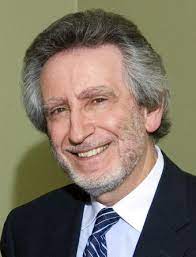
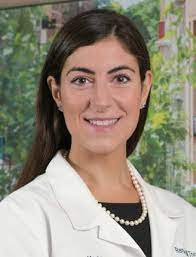
Metabolic diseases affect millions of people and can increase the risk of serious complications, including cardiovascular disease and liver damage. Dr. Joshua Cook, MD, PhD, an assistant professor of medicine in endocrinology at Columbia University Irving Medical Center in New York, is working to uncover the biological processes connecting insulin, metabolism, and liver health.
His research focuses on metabolic dysfunction-associated steatotic liver disease (MASLD), commonly known as fatty liver disease. By investigating how hormones influence fat production in the liver, Dr. Cook hopes to identify new pathways that could eventually improve prevention and treatment.

Combining Clinical Medicine with Scientific Discovery
Dr. Cook’s work brings together endocrinology, metabolism, and translational research. His research explores how the body regulates insulin and how disruptions in this process can contribute to metabolic disorders.
Insulin is essential for controlling blood sugar, but its effects extend beyond glucose regulation. It also influences how the liver produces and stores fat. Understanding this relationship is important because excessive liver fat can develop alongside obesity, insulin resistance, and type 2 diabetes.
At Columbia, Dr. Cook investigates these interconnected processes through human studies designed to better understand the mechanisms underlying metabolic disease.
Investigating the Role of Insulin in Liver Fat
One of Dr. Cook’s central research questions is whether high insulin levels can directly contribute to excessive fat production in the liver.
His hypothesis is that elevated insulin may stimulate the liver to produce more fat, potentially worsening MASLD in people who are already vulnerable to metabolic dysfunction.
In research supported through Columbia’s clinical investigation programs, his team is studying strategies to temporarily lower insulin levels or limit its activity. Researchers then measure how these interventions affect liver fat production, blood sugar, and related metabolic processes.
This work could help clarify whether insulin itself represents a useful target for future treatments. However, these investigations remain experimental, and they have not yet established a new standard treatment for fatty liver disease.

Recognition as a 2026 Gerstner Scholar
In 2026, Dr. Cook was named a Gerstner Scholar at Columbia University’s Vagelos College of Physicians and Surgeons. This recognition supports physician-scientists pursuing promising research with potential clinical applications.
His research project focuses specifically on targeting hyperinsulinemia in MASLD, reflecting the growing interest in understanding the hormonal mechanisms behind metabolic disease.
The research is particularly relevant as fatty liver disease becomes an increasingly important public health concern. Better knowledge of its underlying biology may help scientists develop more targeted strategies for people at risk of liver and metabolic complications.
Looking Toward Better Metabolic Care
Dr. Joshua Cook’s work illustrates the value of investigating the mechanisms behind common chronic diseases rather than focusing solely on their symptoms.
By examining the relationship between insulin and liver fat production, he is helping expand scientific understanding of metabolic health. Although further studies are needed before his research can translate into new clinical treatments, the questions his team is investigating could contribute to future advances in endocrinology and liver disease care.
His work represents a promising example of physician-scientists using carefully designed human research to explore new possibilities for improving long-term health.