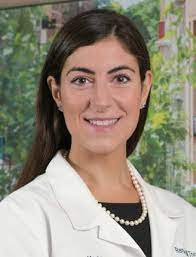
Dr. Jennifer Wargo, MD, is a distinguished surgical oncologist and medical researcher at The University of Texas MD Anderson Cancer Center in Houston. Her work is helping scientists better understand how the human microbiome influences cancer development and treatment. Through her research, she is exploring innovative ways to improve the effectiveness of cancer therapies and create more personalized treatment strategies.
Dr. Wargo’s professional journey began with medical training followed by surgical residency at Massachusetts General Hospital in Boston. During her training, she developed a strong interest in cancer biology and completed two fellowships in surgical oncology, focusing particularly on cancer immunotherapy.
In 2008, she joined Massachusetts General Hospital’s faculty, where she established a translational research laboratory investigating why some patients respond well to cancer treatments while others develop resistance. In 2013, she joined MD Anderson Cancer Center, where she became involved in major research initiatives focused on melanoma, immunotherapy, and the relationship between gut bacteria and cancer.
Today, Dr. Wargo is a Professor of Surgical Oncology and Genomic Medicine and leads the Platform for Innovative Microbiome and Translational Research (PRIME-TR).

Advancing Cancer Treatment Through Microbiome Research
One of Dr. Wargo’s major research interests is understanding how the trillions of microorganisms living in the human body influence the immune system and its ability to fight cancer.
Her research has helped demonstrate that the gut microbiome can influence how effectively patients respond to immunotherapy. This has opened new possibilities for improving treatment outcomes through dietary interventions and microbiome-based approaches.
In July 2026, Dr. Wargo and fellow researchers at MD Anderson reported an important advancement involving the relationship between gut bacteria and chemotherapy delivery.
Their study, published in Nature Materials, found that modifying gut bacteria in preclinical models helped certain nanoparticle-based chemotherapy drugs remain in the bloodstream longer. The research showed approximately twice the circulation time, allowing more medication to reach tumors.
The findings were particularly interesting because they demonstrated that gut bacteria could influence how the body distributes cancer medication. Researchers observed encouraging results in experimental models involving colon, breast, pancreatic cancers, and melanoma.
Although additional research and human clinical studies are needed, the discovery could eventually support new ways of improving chemotherapy effectiveness.
Recognition and Continued Research
Dr. Wargo received the 2025 Jonathan Kraft Prize for Excellence in Cancer Research, recognizing her contributions to advancing cancer science and treatment.
Her laboratory continues investigating how diet, gut bacteria, and immune responses interact during cancer treatment. Several research projects are exploring whether prebiotic dietary interventions can improve responses to immunotherapy in melanoma patients.
Her work also contributes to the broader effort to understand why certain cancer treatments succeed in some patients but not others.

A Vision for More Personalized Cancer Care
Dr. Jennifer Wargo’s research represents an important direction in modern medicine: understanding that successful cancer treatment involves more than targeting a tumor alone.
By investigating the relationship between the microbiome, immune system, and cancer therapies, she is helping develop new scientific approaches that could make treatments more effective and personalized.
Her dedication to combining laboratory discoveries with clinical research makes her an important contributor to the future of oncology.