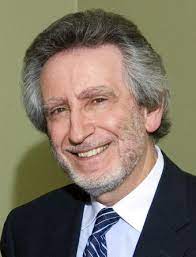
Dr. Robert S. Negrin is a respected American physician-scientist at Stanford University whose research has contributed significantly to advances in blood cancer treatment, bone marrow transplantation, and cellular immunology. Throughout his career, he has worked to improve transplantation techniques and make treatments for leukemia and lymphoma safer and more effective.
He is a professor of medicine at Stanford University and a leading figure in hematology and cellular therapy. His research focuses on understanding how immune cells behave during transplantation and how scientists can use the immune system to fight cancer while reducing complications.

Education and Medical Career
Negrin earned his undergraduate degree in biochemistry from the University of California, Berkeley, before receiving his medical degree from Harvard Medical School in 1984.
He completed his medical residency and hematology fellowship at Stanford University. After finishing his training, he joined Stanford’s faculty in 1990 and became increasingly involved in research and leadership within its blood and marrow transplantation program.
He served as chief of Stanford’s Division of Blood and Marrow Transplantation from 2000 to 2020, helping guide its clinical and scientific development.
Improving Bone Marrow Transplantation
One of Negrin’s most important research contributions involves understanding two competing immune responses associated with bone marrow transplantation.
A successful transplant can allow donor immune cells to recognize and attack cancer cells, an effect known as graft-versus-tumor activity. However, these same donor cells can sometimes attack healthy tissues, causing a serious complication called graft-versus-host disease.
Negrin’s laboratory has investigated how specific immune cells, particularly regulatory T cells, can help control harmful immune reactions while preserving the beneficial effects against cancer.
This research has contributed to new approaches in cellular therapy and has helped inform clinical investigations into safer transplantation methods.
Important Achievements in 2025 and 2026
Negrin’s recent accomplishments include several major developments.
In September 2025, Stanford’s blood and marrow transplantation program received more than $15 million in National Cancer Institute funding to continue research into bone marrow transplantation and cellular therapy for leukemia and lymphoma.
In December 2025, Negrin began serving as president of the American Society of Hematology (ASH), one of the world’s leading professional organizations dedicated to blood disorders and their treatment.
In February 2026, he received the Lifetime Achievement Award from the American Society for Transplantation and Cellular Therapy. The recognition highlighted his contributions to transplantation science, clinical innovation, and cellular therapy.
He has also continued collaborating on research exploring how regulatory T cells can improve transplantation outcomes.
Leadership and Contributions to Medical Science
Beyond his laboratory research, Negrin has made significant contributions to the medical community through education, scientific publishing, and professional leadership.
He was the founding editor-in-chief of Blood Advances and has authored more than 300 original scientific papers, along with numerous book chapters and a book.
His work has helped train and inspire younger physicians and researchers while supporting the development of new approaches to treating serious blood disorders.

A Lasting Impact on Hematology
Dr. Robert Negrin’s career demonstrates the importance of combining scientific discovery with practical improvements in patient care.
By studying how immune cells can be used more effectively during transplantation, he has helped advance the possibilities of cellular therapy for patients with leukemia, lymphoma, and other serious blood conditions.
His continued leadership at Stanford and within the American Society of Hematology reflects his commitment to improving treatment options and supporting future generations of medical researchers.