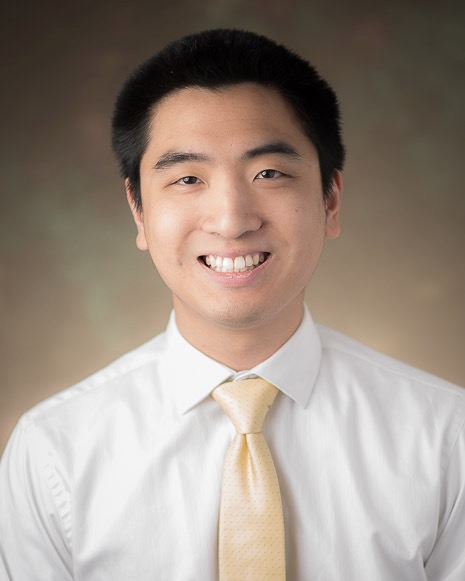
For many forms of cancer, early detection can mean the difference between life and death. That reality is driving the work of Yasir Sepah, a physician-researcher whose innovations in artificial intelligence and ophthalmology are helping bring advanced screening tools to more patients.
Affiliated with Stanford Medicine, Dr. Sepah has become increasingly recognized for combining medical research with scalable healthcare technology solutions.
In 2026, he received a Stanford Cancer Institute Innovation Award for a groundbreaking project focused on AI-assisted detection of ocular melanoma, a rare but potentially deadly eye cancer.

The project aims to solve a major healthcare access problem.
Many community eye clinics lack the advanced ultrasound systems typically required to determine whether suspicious pigmented lesions in the eye could be cancerous. Dr. Sepah and his team are developing an AI-powered system that can analyze images from commonly available wide-field eye cameras and help identify high-risk lesions earlier.
Instead of replacing specialists, the system is designed to function as an early-warning triage tool, helping clinics identify patients who may need urgent follow-up care.
The potential impact is significant.
By bringing advanced screening capabilities into more local clinics, the technology could improve both speed of diagnosis and access to care, particularly in underserved areas where specialized equipment is less available. Stanford researchers say the project could ultimately help save both vision and lives through earlier intervention.
Dr. Sepah’s work reflects a broader trend happening across American medicine, where artificial intelligence is increasingly being used to improve disease detection, diagnostics, and preventive care. Researchers across Stanford Medicine and other major institutions are investing heavily in AI systems capable of identifying subtle health patterns earlier than traditional methods.
What makes Dr. Sepah particularly notable is his focus on practical implementation.
Rather than limiting innovation to large academic hospitals, his projects often emphasize affordability, accessibility, and real-world clinical use. According to Stanford, he has also worked on low-cost investigator-sponsored clinical trials and biomarker development aimed at improving early disease detection and treatment monitoring.
In addition to cancer-related research, Dr. Sepah has contributed to broader AI-driven healthcare initiatives, including research analyzing patient communication patterns in ophthalmology through artificial intelligence systems.
That combination of research depth and practical application has helped position him among a rising generation of physician innovators transforming modern healthcare.
As AI continues reshaping medicine, many experts believe the greatest breakthroughs may come not only from creating more advanced technologies, but from making those technologies available to more people.

That mission appears central to Dr. Yasir Sepah’s work.
By helping bring sophisticated diagnostic tools into everyday community healthcare settings, he is contributing to a future where earlier detection and smarter medicine are accessible far beyond elite medical centers.