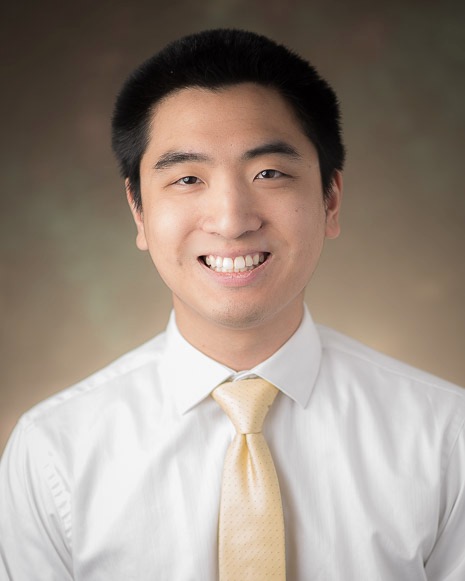
Dr. Eric J. Rellinger, MD, FACS, is an accomplished pediatric surgeon and physician-scientist at the University of Kentucky, where he is working to advance treatment options for children diagnosed with aggressive cancers. His research focuses particularly on neuroblastoma, a childhood cancer that develops from immature nerve cells and can be difficult to treat when it reaches an advanced stage.
Dr. Rellinger serves as an Assistant Professor in the Department of Surgery at the University of Kentucky College of Medicine and practices pediatric surgery at Golisano Children’s at UK. He is also a researcher with the university’s Markey Cancer Center.
His academic journey began at Wittenberg University, where he earned undergraduate degrees in biology and chemistry-related studies. He subsequently received his medical degree from Vanderbilt University School of Medicine in 2011. Following medical school, he completed general surgery residency at Vanderbilt University Medical Center and pursued specialized pediatric surgery training at Cincinnati Children’s Hospital Medical Center.
During his professional training, Dr. Rellinger developed a strong interest in pediatric cancer research. He has since combined his surgical responsibilities with laboratory investigations aimed at discovering new treatment strategies for childhood malignancies.

Advancing Research into Neuroblastoma
One of Dr. Rellinger’s major research interests is understanding why some childhood cancers become resistant to existing treatments.
Neuroblastoma is particularly challenging in children with high-risk disease because cancer cells can survive conventional treatments and return even after intensive therapy. Although immunotherapy has improved treatment possibilities, not every patient responds successfully.
Dr. Rellinger’s laboratory is investigating a biological process called glycosylation, through which sugar molecules attach to proteins and influence how cells function.
His research suggests that certain changes in this process may help neuroblastoma cells avoid detection by the immune system. By identifying and targeting these changes, researchers hope to make cancer cells more vulnerable to immunotherapy.
A Major Research Award in 2026
In 2025, the American College of Surgeons selected Dr. Rellinger to receive its prestigious 2026–2031 George H. A. Clowes Jr. Memorial Research Career Development Award.
The five-year award provides $45,000 annually to support his research project, titled “Rewiring Glycosylation to Overcome Immunotherapy Resistance in High-Risk Neuroblastoma.”
His research program is investigating whether blocking specific sugar-related pathways can help immune cells recognize and attack cancer more effectively. Laboratory studies have identified promising vulnerabilities that may provide new opportunities for treating aggressive tumors.
In September 2026, the American College of Surgeons further highlighted his work, explaining how his research could help overcome resistance to existing immunotherapy approaches.
These investigations are still experimental, and further studies are needed before the findings can become treatments for patients. Nevertheless, they represent an important direction in pediatric cancer research.

A Commitment to Improving Children’s Health
Beyond his scientific work, Dr. Rellinger is committed to providing surgical care for children with complex medical conditions. His clinical interests include pediatric oncology, neonatal surgery, and minimally invasive procedures.
He has emphasized the importance of building trust with children and their families while making medical decisions that prioritize each patient’s well-being.
Dr. Eric Rellinger’s career demonstrates how clinical experience and scientific research can work together to address difficult medical challenges. Through his continued work at the University of Kentucky, he is contributing to the search for more effective and personalized treatments for children facing serious illnesses.