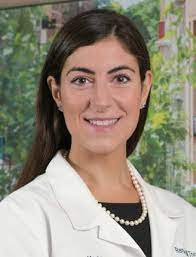
Dr. Jean Bennett is an accomplished American physician-scientist whose pioneering research has helped transform the treatment of inherited blindness. Through decades of work in molecular genetics and ophthalmology, she has contributed to the development of one of the most significant breakthroughs in modern gene therapy: a treatment that can restore functional vision in people with certain inherited retinal diseases.
Bennett is an emeritus professor of ophthalmology at the University of Pennsylvania’s Perelman School of Medicine. Her research has focused on understanding the genetic causes of retinal disorders and developing innovative treatments that can preserve or restore vision.

Education and Professional Background
Dr. Bennett earned her undergraduate degree in biology from Yale University in 1976. She later completed a PhD in zoology and cell and developmental biology at the University of California, Berkeley, followed by her medical degree from Harvard Medical School in 1986.
Her academic background in both medicine and molecular biology helped establish her career at the intersection of clinical ophthalmology and genetic research.
During her career, she collaborated closely with ophthalmologist Dr. Albert Maguire. Together, they pursued the possibility of treating inherited blindness by introducing healthy copies of genes into affected retinal cells.
A Breakthrough in Treating Inherited Blindness
One of Bennett’s most important contributions involved developing gene therapy for Leber congenital amaurosis, a rare inherited eye disorder that can cause severe vision loss from an early age.
Working with collaborators at the University of Pennsylvania and Children’s Hospital of Philadelphia, Bennett helped develop a treatment that delivers a functional copy of the RPE65 gene to retinal cells.
The resulting therapy, known as Luxturna, received FDA approval in 2017. It became the first FDA-approved gene therapy for an inherited genetic disease.
Clinical research demonstrated meaningful improvements in light sensitivity and functional vision for many patients. For people who previously struggled with everyday activities because of severe visual impairment, the treatment represented an extraordinary medical advancement.
Major Recognition in 2026
Bennett’s contributions received significant international recognition in April 2026, when she shared the Breakthrough Prize in Life Sciences with Albert Maguire and Katherine High.
The award honored their pioneering work in developing the first FDA-approved gene therapy for an inherited condition.
Their achievement also helped establish a foundation for further research into genetic treatments for retinal disorders, including other inherited forms of blindness and degenerative eye diseases.

Continuing Influence on Ophthalmology
Bennett’s research has helped demonstrate that genetic diseases affecting the eye can potentially be treated by addressing their underlying molecular causes.
Her work has inspired further investigation into gene-based treatments for retinal degeneration, age-related macular degeneration, and other conditions that threaten vision.
Through her scientific achievements and long-standing dedication to medical innovation, Dr. Jean Bennett has helped open new possibilities for people living with inherited eye diseases. Her contributions remain an important part of the progress being made in ophthalmology and genetic medicine.