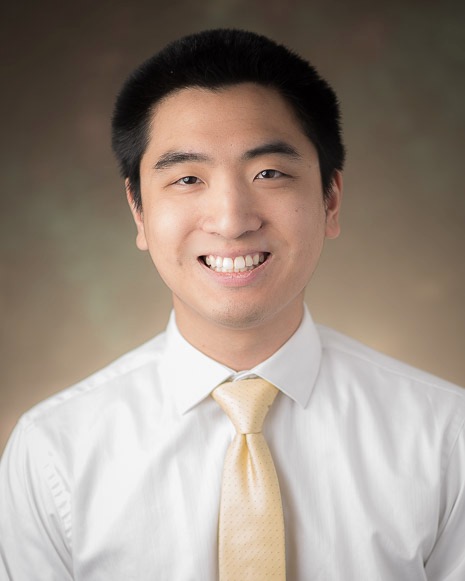
Cancer treatment increasingly relies on understanding the biological characteristics of an individual patient’s disease. Dr. Amir Iravani, a nuclear medicine physician-scientist at UCLA Health, specializes in molecular imaging and targeted radiopharmaceutical therapy. His work focuses on helping clinicians identify which patients may benefit from specific treatments and how those therapies can be better tailored to individual needs.

A Career in Nuclear Medicine
Before joining UCLA Health in 2026, Iravani served as theranostics clinical director at Fred Hutchinson Cancer Center in Seattle and as an associate professor of radiology at the University of Washington School of Medicine.
His clinical and research interests center on combining diagnostic imaging with treatments designed to target particular biological features of cancer. This approach, known as theranostics, links the information obtained through medical imaging with therapies aimed at the same molecular targets.
In September 2026, UCLA Health announced that Iravani would lead its Theranostics Program and serve as vice chair of clinical research in its Department of Nuclear Medicine and Theranostics.
Combining Imaging With Targeted Treatment
One important area of Iravani’s work involves prostate-specific membrane antigen (PSMA), a molecular target frequently found on prostate cancer cells. PSMA-based PET imaging can help physicians visualize cancer throughout the body and assess whether a patient may be suitable for PSMA-targeted radiopharmaceutical therapy.
These treatments use radioactive substances attached to molecules designed to seek out particular cancer targets. The goal is to deliver radiation to cancer cells while limiting unnecessary exposure to surrounding tissues.
Iravani’s research also explores how quantitative imaging measurements and other biomarkers, including information from liquid biopsies, might help determine the most appropriate treatment dose and timing for individual patients.
Such approaches could help clinicians move toward more personalized treatment decisions rather than relying on a uniform strategy for every patient.
Expanding the Possibilities of Cancer Care
At UCLA Health, Iravani is working to expand research collaborations and clinical trials involving radiopharmaceutical therapies. While these approaches already have established applications in certain cancers, researchers are investigating additional targets and potential uses in other solid tumors and blood cancers.
His leadership role offers an opportunity to connect imaging specialists, cancer physicians, and researchers to accelerate the evaluation of new treatment strategies. The effectiveness and suitability of any therapy still depend on the cancer type, the available evidence, and the patient’s individual circumstances.

A Focus on More Individualized Medicine
Dr. Amir Iravani’s work represents an important direction in modern oncology: using detailed biological information to guide treatment choices. By bringing together molecular imaging, targeted radiation, and clinical research, he is helping advance approaches that may improve how doctors select and monitor cancer therapies.
His career demonstrates how specialized medical expertise and research collaboration can contribute to more individualized cancer care, with the ultimate aim of improving outcomes and quality of life for patients.