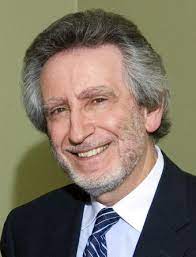
Congenital heart conditions can shape a person’s life from before birth through adulthood. Understanding these conditions, their complexity, and the role of specialized surgical care offers valuable insight into a field that brings together medical science, technical expertise, and long-term patient care. Dr. Carlo Bartoli works in the field of cardiothoracic surgery, which encompasses surgical care involving the heart and chest, including congenital heart conditions affecting patients at different stages of life.
Understanding Pediatric and Adult Congenital Cardiothoracic Surgery
Congenital heart disease refers to structural abnormalities of the heart or its major blood vessels that develop before birth. These abnormalities vary considerably. Some involve relatively straightforward structural differences, while others affect multiple parts of the heart and influence how blood circulates throughout the body.
The heart contains chambers, valves, and blood vessels that work together to deliver oxygen and nutrients to tissues. A congenital abnormality can affect one or more of these structures, changing the way the heart functions. The resulting effects depend on the nature of the condition, its complexity, and other individual factors.
Pediatric congenital cardiothoracic surgery focuses on surgical conditions affecting infants and children. Certain abnormalities require attention early in life, while others can be monitored before a procedure becomes appropriate. Surgical care may involve repairing abnormal structures, reconstructing parts of the heart, or addressing associated problems involving the major blood vessels.
Adult congenital cardiothoracic surgery addresses a different but closely connected population. Many people born with congenital heart disease now live well into adulthood, sometimes following procedures performed during childhood. Others reach adulthood without requiring surgery earlier in life.
Their circumstances demonstrate why congenital heart care extends beyond the traditional boundaries of pediatric medicine. Previous operations, changes in cardiovascular function, and the development of additional conditions can create complex clinical considerations.
The specialty therefore requires an understanding of both early heart development and the long-term effects of congenital abnormalities. Its central focus is not simply the performance of an operation, but the broader challenge of addressing structural heart conditions across different stages of life.
A Lifelong Continuum of Cardiovascular Care
One of the defining characteristics of congenital heart disease is that its effects may continue throughout a person’s lifetime. Although an operation can correct or improve a particular structural problem, it does not necessarily eliminate every future concern associated with the original condition.
For example, a patient who undergoes childhood surgery may require continued monitoring as the body grows and cardiovascular demands change. Some individuals experience changes in heart valve function, heart rhythm, or the performance of previously reconstructed structures. Others may require additional procedures later in life.
These possibilities make continuity of care an important part of congenital cardiovascular medicine. Medical records, previous surgical details, imaging results, and an understanding of the patient’s history can help clinicians interpret current findings within the context of earlier treatment.
The transition from pediatric to adult care is another important consideration. Young people gradually assume greater responsibility for understanding their health histories and participating in medical decisions. Their care may involve professionals with different areas of expertise, making communication and coordination particularly valuable.
Multidisciplinary teams can bring together congenital cardiologists, cardiothoracic surgeons, imaging specialists, anesthesiologists, nurses, and other healthcare professionals. Each contributes a different perspective to the assessment of complex cardiovascular conditions.
For patients with particularly complicated congenital abnormalities, collaboration may also involve specialists in heart failure, electrophysiology, intensive care, and mechanical circulatory support. Mechanical circulatory support refers to technologies that help maintain blood circulation when the heart cannot adequately perform that function on its own.
Dr. Bartoli’s professional work encompasses congenital and acquired heart disease, alongside research into mechanical circulatory support. These overlapping areas illustrate how surgical practice and cardiovascular research can contribute complementary perspectives to the understanding of complex heart conditions.
Advances in Imaging, Surgical Techniques, and Cardiovascular Research
Congenital cardiothoracic surgery continues to develop alongside improvements in medical imaging, surgical planning, and the scientific understanding of cardiovascular function. These developments help clinicians investigate complex anatomical differences and evaluate the relationship between a heart’s structure and its performance.
Medical imaging plays an important role in this process. Echocardiography uses ultrasound to produce images of the heart, allowing clinicians to examine its structures, movement, and blood flow. Cardiac magnetic resonance imaging provides additional information about anatomy, blood flow, and heart function. Computed tomography can offer detailed images of complex cardiovascular structures when appropriate.
These technologies provide different types of information. Their value depends on the clinical question, the patient’s circumstances, and the details that need to be examined. Imaging findings can also help multidisciplinary teams develop a shared understanding of an individual’s cardiovascular anatomy.
Surgical approaches have evolved as well. Advances in operative planning, specialized instruments, anesthesia, and postoperative monitoring have expanded the techniques available for managing different congenital abnormalities. Nevertheless, congenital heart procedures remain highly individualized because anatomical differences can make two apparently similar conditions clinically distinct.
Research into mechanical circulatory support represents another important area of development. These technologies can assist circulation in selected patients with severe cardiac dysfunction. Researchers continue to investigate device design, blood interactions, and complications that may arise during mechanical support.
One area of scientific interest involves how blood responds to contact with artificial surfaces and mechanical forces. Researchers also examine bleeding and clotting processes associated with circulatory support devices. Understanding these interactions is relevant to the development and evaluation of cardiovascular technologies.
Other research explores angiogenesis, the formation of new blood vessels, and its relationship to cardiovascular development and disease. In congenital heart conditions involving a single functional pumping chamber, questions about blood vessel development and circulation remain important areas of scientific investigation.
Dr. Carlo Bartoli’s research interests include mechanical circulatory support, von Willebrand factor biology, and angiogenesis. Von Willebrand factor is a protein involved in blood clotting, helping platelets attach to damaged blood vessels. Studying its behavior can provide insight into the relationship between cardiovascular devices, blood components, and bleeding complications.
These research areas demonstrate that progress in congenital heart care involves more than surgical technique alone. Laboratory investigations, clinical observations, and engineering developments all contribute to the continuing study of cardiovascular disease.
Dr. Carlo Bartoli: Clinical Practice and Scientific Research
Dr. Carlo Bartoli is a physician and researcher whose professional background combines cardiothoracic surgery with cardiovascular science. His documented training includes Cornell University, Harvard University, and the University of Louisville School of Medicine through a combined medical and doctoral pathway.
He subsequently completed integrated cardiothoracic surgery residency training at the Hospital of the University of Pennsylvania and pediatric cardiac surgery fellowship training at Children’s Hospital of Philadelphia. His professional profile identifies Geisinger Medical Center as his clinical institution and describes his work with patients ranging from newborns and children to adults.
This combination of clinical training and research experience provides context for his interest in congenital and acquired heart disease. Congenital conditions can involve complicated anatomical differences, while acquired cardiovascular disease develops after birth. Understanding both areas offers a broader perspective on the surgical challenges associated with cardiovascular conditions.
Alongside clinical practice, Dr. Bartoli has pursued research involving mechanical circulatory support and cardiovascular biology. His scientific interests include the development of circulatory support devices, the biological processes associated with device-related complications, and the mechanisms underlying abnormal blood vessel development in certain congenital conditions.
Such work reflects the relationship between clinical medicine and scientific investigation. Questions encountered in cardiovascular practice can help shape laboratory research, while scientific findings can contribute to the broader understanding of disease mechanisms and medical technologies.
The combination of these professional activities illustrates the diverse responsibilities found within modern cardiothoracic medicine. Clinical care requires careful evaluation of individual circumstances, while research seeks to explain biological processes and investigate potential developments that may inform future medical practice.
Looking Ahead: The Continuing Evolution of Congenital Heart Care
Pediatric and adult congenital cardiothoracic surgery represents an evolving field shaped by advances in clinical practice, imaging, engineering, and cardiovascular research. Its scope extends from conditions identified before or shortly after birth to complex health considerations affecting adults who have lived with congenital heart disease for decades.
The continuing development of this specialty also highlights the importance of long-term care, collaboration among medical professionals, and research into the biological mechanisms underlying cardiovascular conditions.
Dr. Carlo Bartoli’s documented clinical and research interests reflect several interconnected aspects of this work, particularly congenital heart disease, mechanical circulatory support, and cardiovascular biology. Together, these areas illustrate the breadth of scientific questions involved in understanding and managing complex heart conditions.
As research continues, collaboration between clinicians and scientists will remain an important part of the field’s development. Individual circumstances differ, and personal health concerns should be discussed with a qualified healthcare professional.
This article is for general informational purposes only and does not constitute medical advice.