Improving Care for People With Chronic Lung Disease
Chronic obstructive pulmonary disease, or COPD, affects millions of people and can make everyday activities such as walking, climbing stairs, and exercising increasingly difficult. Although inhaled medications and other treatments help many patients, some continue to experience severe symptoms and repeated flare-ups.
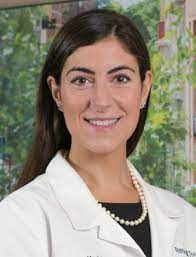
Dr. Christopher Mosher, MD, is a physician and clinical researcher working to improve treatment options for people with serious lung disease. Based at Duke University in Durham, North Carolina, he is an assistant professor in the Division of Pulmonary, Allergy, and Critical Care Medicine and a faculty member of the Duke Clinical Research Institute (DCRI).
His work focuses on clinical trials, innovative treatment strategies, and evidence that can help physicians determine which therapies are most likely to benefit individual patients. In July 2026, Duke recognized him with its DCRI Excellence Award for Innovation for his contributions to COPD research and the development of new treatment approaches.

Researching the Next Generation of COPD Treatments
COPD is a complex condition that can involve persistent airway inflammation, damage to lung tissue, and difficulty moving air in and out of the lungs. Patients can experience very different disease patterns, which means that one treatment approach may not work equally well for everyone.
Dr. Mosher has helped lead three clinical trials known as SEABREEZE, OBERON, and STRIDE. These studies are investigating biologic therapies for people with severe COPD.
Biologic medicines are developed from biological sources or processes and can be designed to target specific molecules or pathways involved in disease. In respiratory medicine, researchers are investigating whether these treatments can help selected patients whose disease remains poorly controlled with conventional approaches.
One important element of this research is the use of blood eosinophil levels. Eosinophils are a type of white blood cell involved in immune responses and inflammation. Measuring their levels can help physicians identify certain patients who may be more likely to benefit from particular targeted treatments.
This approach reflects the broader movement toward precision medicine: selecting therapies based on relevant biological characteristics rather than assuming that every patient with the same diagnosis will respond in the same way.
The trials are part of ongoing research, and their findings must be evaluated carefully before conclusions can be drawn about which patients will benefit most. Nevertheless, they offer an important opportunity to investigate additional options for people whose COPD remains difficult to manage.
Making Evidence-Based Care More Accessible
Dr. Mosher’s work extends beyond testing medications. He also led a U.S. cost-effectiveness analysis of pulmonary rehabilitation that was published in JAMA Network Open.
Pulmonary rehabilitation combines structured exercise, education, and support to help people with chronic respiratory conditions manage their symptoms and maintain their physical abilities. For many patients, it can be an important part of comprehensive COPD care.
However, access to rehabilitation programs can be affected by cost, availability, transportation, and other practical barriers. Research examining the economic value of these services can help healthcare professionals and policymakers understand how resources might be used more effectively.
By examining the costs and benefits of pulmonary rehabilitation, Dr. Mosher contributed evidence to discussions about delivering effective respiratory care while making responsible use of healthcare resources.
This work highlights an important principle: medical innovation is not limited to inventing new drugs. Evaluating existing treatments, improving access to proven services, and helping health systems make informed decisions can also improve patient outcomes.
Recognition for Innovation and Leadership
In July 2026, Dr. Mosher received the DCRI Excellence Award for Innovation. Duke’s announcement highlighted his leadership in COPD clinical trials and his efforts to advance clinical research.
He also co-chaired a 2025 DCRI think tank in Washington, D.C., which brought experts together to discuss how clinical trials can measure meaningful outcomes beyond mortality alone.
Such discussions matter because patients and clinicians care about more than whether a treatment extends life. Improvements in breathing, daily activity, symptom burden, independence, and quality of life can also be important measures of whether a therapy makes a meaningful difference.
Dr. Mosher’s involvement in these conversations reflects an interest in ensuring that clinical research measures outcomes that matter to patients, while maintaining scientific rigor.

A Promising Future for Respiratory Medicine
Dr. Christopher Mosher’s work demonstrates how clinical research can contribute to better care for people living with chronic disease. By helping advance targeted COPD trials and examining the value of pulmonary rehabilitation, he is contributing to two complementary goals: developing additional treatment options and improving the use of existing care.
The biologic therapies being studied are not guaranteed to benefit every patient, and their role depends on the results of clinical trials and appropriate regulatory review. Even so, research into targeted treatments offers a valuable opportunity to address unmet needs among people with severe COPD.
As respiratory medicine continues to evolve, researchers like Dr. Mosher are helping build the evidence needed to make treatment more individualized, accessible, and effective. His recent recognition from Duke University underscores the importance of innovation, collaboration, and careful clinical research in improving the lives of people with chronic lung disease.