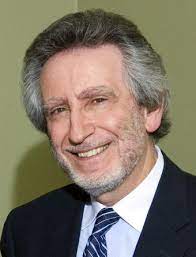
Jewish heritage is carried not only through books, ceremonies, and familiar melodies, but through the questions people bring to everyday life. What does it mean to act with kindness when no one is watching? How can a family preserve its traditions while meeting the pressures of a changing world? And how can ancient teachings help people make thoughtful choices today? These questions offer a meaningful way to explore the work of Rabbi Steve Karro and the wider importance of sharing Jewish teachings.
The available background does not specify Rabbi Karro’s congregation, location, years of service, or particular programs. Rather than attach unverified details to his story, this feature considers the broader purpose that Jewish teaching can serve: connecting inherited wisdom with daily decisions, strengthening community, and keeping Jewish heritage open to learning across generations.
Who Is Rabbi Steve Karro?
Rabbi Steve Karro is the focus of this feature because his name provides a starting point for considering the value of sharing Jewish teachings and Jewish heritage. Specific biographical details have not been provided, so it would be misleading to assign him a particular title within an organization, list milestones, or describe programs as though they were confirmed. The more responsible approach is to examine the ideas and traditions that make this kind of educational work meaningful.
Jewish learning is not limited to specialists or to a single stage of life. It can involve studying the Torah, discussing ethical questions, exploring history, learning the meaning behind a holiday, or asking how a traditional value might guide a decision in the present. In this sense, learning is both an intellectual practice and a way of shaping character.
Making Jewish Teachings Relevant to Modern Life
The Torah—the foundational text at the heart of Jewish tradition—contains narratives, commandments, laws, and teachings that have been studied and interpreted across generations. Jewish learning also draws on later rabbinic writings and a rich range of commentary, with different communities and traditions bringing their own perspectives.
One important concept is tzedakah, often translated as charity but more closely connected to justice and the responsibility to give. It suggests that supporting people in need is not merely a generous gesture; it is an ethical obligation. In everyday terms, tzedakah can prompt questions about how individuals use their resources, notice hardship, and contribute to the well-being of others.
Another concept, tikkun olam, is commonly understood as “repairing the world.” Its meaning and use have developed across Jewish history, and contemporary communities often use the phrase to describe efforts toward social responsibility and improving people’s lives. The idea can encourage practical reflection: What can be repaired in a neighborhood, workplace, family, or wider society? What action is possible, even when a problem feels larger than one person?
Shabbat, the Jewish Sabbath, offers a different but related lesson. Observed from Friday evening to Saturday evening, it creates a recurring time for rest, prayer, meals, and connection, according to the practices of a household or community. In a culture that often prizes constant activity, Shabbat can invite people to consider the value of setting boundaries, sharing time, and making room for spiritual life. Its observance varies, but the weekly pause can give families and communities a dependable rhythm for gathering, reflection, and gratitude. It also demonstrates how a religious practice can shape time itself, not just the words people say or the beliefs they hold.
For Rabbi Steve Karro, the broader subject of Jewish teaching points toward a central challenge for educators: helping people understand not only what a tradition says, but why it matters and how it might be lived. No single explanation will fit every reader. The aim of thoughtful learning is to make room for questions while treating the tradition and its many interpretations with care.
A living tradition connects inherited wisdom with the choices people make today.
This pull-quote-style line expresses the article’s theme; it is not a quotation attributed to Rabbi Karro.
Preserving and Celebrating Jewish Heritage
Jewish heritage includes sacred texts and religious observances, but it also lives through family stories, languages, music, food, rituals, historical memory, and the ways communities mark time. Its expressions vary among Jewish communities around the world. There is no single cultural experience that represents every Jewish person, family, or congregation.
Holidays offer one way to encounter this variety. Passover recalls the story of the Israelites’ liberation from slavery in Egypt and brings many families together for a seder, a structured meal that uses questions, symbolic foods, readings, and storytelling. Hanukkah commemorates the rededication of the Temple in Jerusalem and is marked by lighting the menorah or hanukkiah over eight nights. Rosh Hashanah, the Jewish New Year, begins a period of reflection that leads toward Yom Kippur, a day devoted to atonement and repentance.
The work of sharing heritage is therefore both preservation and invitation. It protects knowledge from being lost, but it also makes that knowledge available to people who want to understand it—whether they are reconnecting with family roots, deepening their own practice, or approaching Jewish culture for the first time. Objects and rituals can be powerful prompts, but their meanings are best understood alongside the stories and teachings that give them context. A holiday candle, a familiar melody, or a shared meal may open the door to a larger conversation about memory, belonging, gratitude, or hope.
Community, Connection, and Lifelong Jewish Learning
Religious and cultural knowledge often becomes clearer when people explore it together. A class, study group, holiday gathering, or conversation across generations can give participants space to test an idea, hear a different interpretation, and relate a text to lived experience. Jewish tradition has a strong culture of study and questioning, and discussion can be part of how learning develops rather than a sign that learning has failed.
Rabbi Steve Karro’s name can serve as a point of entry for readers interested in how Jewish teachings are shared, but specific community activities or educational initiatives should be described only when verified information is available. Readers who wish to learn more about his work can look for confirmed biographical information, public talks, classes, or organizational materials associated with him. This helps ensure that interest is built on reliable details rather than assumption.
In any educational setting, clarity matters: readers should be able to tell the difference between a documented statement from a teacher, a traditional teaching, and an interpretation offered by a writer. That distinction respects both the person being discussed and the tradition being explored.
Lessons Readers Can Take Away
Jewish tradition offers concepts that can be explored without requiring readers to have prior knowledge. Tzedakah invites a view of giving as responsibility. Tikkun olam encourages people to consider how they can help repair what is broken. Shabbat makes space for rest and connection, while lifelong learning encourages humility and continued curiosity.
For anyone seeking to understand Rabbi Steve Karro’s specific contributions, the next step is to consult verified sources about his teaching, affiliations, and public work. Clear information would allow readers to connect the broader significance of Jewish education with the details of his own story.
Ultimately, sharing Jewish heritage is an ongoing exchange between memory and the present. It asks people to receive wisdom thoughtfully, question with respect, and carry meaningful lessons into daily life. For readers exploring Rabbi Steve Karro’s work, verified information about his teaching and community involvement can provide a clearer picture of how these principles are expressed in practice. Whether approached through study, ritual, conversation, or service, Jewish learning can open a path toward deeper understanding—of a tradition, of community, and of the responsibilities people share with one another. A first step can be as simple as learning the meaning of a holiday or joining a respectful conversation about a text.