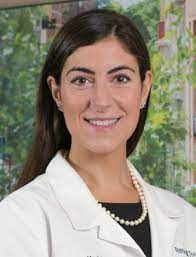
Dr. Sarah L. Kimball, M.D. is a renowned board-certified internal medicine physician whose commitment to health equity, compassionate care, and community advocacy has placed her among the most inspiring leaders in American medicine today. In 2025, she was recognized with the Dr. Debasish Mridha Spirit of Medicine Award by the AMA Foundation’s Excellence in Medicine Awards, honoring her exceptional service to underserved populations and her dedication to transforming health systems for immigrant communities.
Early Life & Education
Dr. Kimball’s journey in medicine is grounded in rigorous training and a deep commitment to patient-centered care. She earned her medical degree from Harvard Medical School, one of the most prestigious medical institutions in the United States, and completed her residency in internal medicine at Brigham and Women’s Hospital in Boston — a leading academic medical center.

The AMA Foundation
Her academic background provided a strong foundation in clinical medicine, but it was her early work with diverse patient populations that shaped her lifelong mission: to build health systems that truly meet the needs of communities often left behind by traditional models of care.
Leader in Immigrant and Refugee Health
Today, Dr. Kimball serves as an associate professor of medicine and is the Director of the Immigrant and Refugee Health Center at Boston Medical Center — a position that highlights both her clinical leadership and her dedication to structural change in health care delivery.
The AMA Foundation
Under her direction, the Immigrant and Refugee Health Center serves as a comprehensive medical home tailored to the unique needs of immigrant patients. The center focuses not just on treating illness, but on addressing the broader social determinants of health that can disproportionately affect families new to the United States, including language barriers, access to insurance, and culturally appropriate care strategies.
Boston University Medical Campus
Dr. Kimball’s work emphasizes holistic care and health system responsiveness, blending clinical expertise with thoughtful strategies that bridge gaps in access and outcomes. Her leadership in this space reflects a deep understanding that quality healthcare must be equitable and inclusive — a message increasingly important in today’s diverse society.
Service Recognized Nationally
In 2025, Dr. Kimball received the Dr. Debasish Mridha Spirit of Medicine Award as part of the AMA Foundation’s Excellence in Medicine Awards — a program that honors physicians whose careers exemplify altruism, leadership, and service to marginalized communities.
The award is especially meaningful in Dr. Kimball’s case because it recognizes not only clinical skill but also humanity in practice — affirming her ongoing efforts to ensure that compassionate care reaches those who need it most. As part of her honor, a grant was awarded to the Rian Immigrant Center, a nonprofit working to support and empower immigrant families, reflecting the broader impact of Dr. Kimball’s work beyond the clinical setting.

Impactful Innovations and Advocacy
Dr. Kimball’s contributions extend beyond her clinical duties. A national leader in immigration-informed care, she frequently speaks and writes on the need for healthcare systems to integrate culturally competent practices, improve access for non-English speakers, and adapt services to the realities of immigrant life — from documentation status challenges to economic barriers.
Her approach to care also involves cross-sector advocacy, collaborating with community organizations, policy advocates, and legal support partners to ensure that patients receive comprehensive support — whether they’re navigating complex healthcare systems or seeking basic preventive care.
A Vision for the Future of Medicine
Dr. Sarah Kimball represents a new paradigm in American healthcare — one where medical excellence is inseparable from equity, understanding, and community impact. Her work has not only improved outcomes for thousands of patients but has also inspired a generation of clinicians to view medicine through the lens of justice and compassion.
As healthcare continues to evolve in the 21st century, leaders like Dr. Kimball remind us that medicine’s true legacy lies in its ability to serve humanity, especially those on the margins. Her story is a powerful example of how one physician’s vision can ripple outward — transforming systems, shaping future clinicians, and giving voice to communities that too often go unheard.