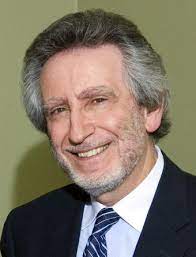
Dr. John A. Johnson is a physician whose work has quietly but powerfully transformed mental-health care for communities too often forgotten in the U.S. health system. A psychiatrist by training and a community-builder by passion, Johnson has spent decades working directly with vulnerable populations—people in rural regions, patients facing poverty, and families with limited access to mental-health services.

Johnson completed his medical training in the Midwest, earning both an MD and MBA, which uniquely positioned him to understand both the clinical and operational challenges in mental-health delivery. While many physicians build careers in major urban centers, Johnson chose a different route: devoting himself to Appalachia and other underserved regions, where psychiatric infrastructure is thin and health disparities are severe.
One of his most significant accomplishments was his leadership in reopening an inpatient psychiatric hospital that had previously closed due to funding shortages. At a time when closures of mental-health facilities were worsening the crisis nationwide, Johnson led a community-centered effort to restore services. The hospital now serves as a lifeline, providing stabilization, treatment, and long-term care to patients who otherwise would have nowhere to go.
In addition to clinical work, Johnson founded community mental-health programs focused on long-term treatment—not just short-term crisis intervention. He emphasized wraparound support: housing assistance, continuity of care, counseling, and follow-up systems designed to keep people stable after leaving the hospital. His approach acknowledges that mental health is inseparable from social support, stability, and economic opportunity.

In 2023, Dr. Johnson’s lifelong commitment earned national attention when he received the AMA Foundation’s Dr. Debasish Mridha Spirit of Medicine Award, a prestigious honor recognizing physicians whose work embodies compassion, service, and extraordinary dedication to underserved communities. The award highlighted his decades of work ensuring that people facing mental-health struggles are treated with dignity and humanity.
Colleagues describe Johnson as someone who “meets patients where they are”—literally and figuratively. He is known for traveling long distances to remote regions, visiting shelters, and working closely with community leaders to rebuild trust in mental-health systems that have often failed rural populations.
Johnson’s work feels especially relevant today. Across the U.S., mental-health needs are rising, but access remains deeply unequal. Rural America in particular faces severe provider shortages, leading to long wait times and limited treatment options. Johnson’s model—reviving local infrastructure, building sustainable care systems, and placing compassion at the center—offers a blueprint for how communities can move forward.
His career is a reminder that innovation in medicine isn’t always about high-tech tools or cutting-edge research. Sometimes, it is about showing up where the need is greatest, creating systems that last, and restoring hope in places where it has eroded.
Dr. John A. Johnson’s work exemplifies what a true “mover and shaker” looks like in the world of mental health: a physician who doesn’t wait for change—he builds it.