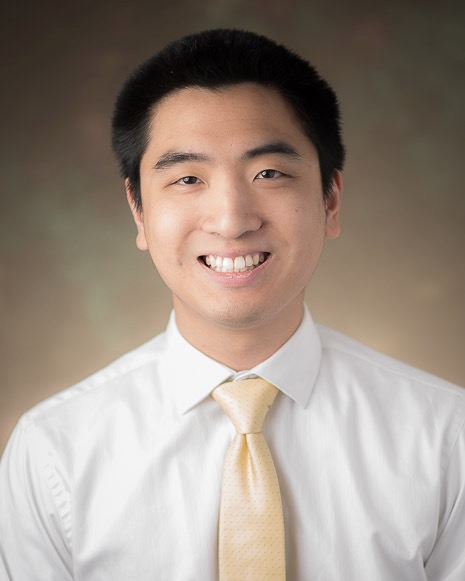
Facial and maxillofacial surgery is one of the most intricate branches of surgical medicine, blending anatomy, function, and aesthetics in a single field. Because the face plays such a central role in how people communicate, breathe, and express emotion, this area of surgery requires a highly specialized skill set. Dr. Thanapoom Boonipat, a board-certified plastic surgeon with fellowship training in facial and maxillofacial surgery, offers a useful lens for understanding what this discipline actually involves — from the conditions it addresses to the training required to practice it. This article is intended purely for educational purposes and does not constitute medical advice or a treatment recommendation.
What Is Facial and Maxillofacial Surgery?
Facial and maxillofacial surgery refers to the surgical treatment of conditions affecting the face, jaw, skull, and related soft tissue and bone structures. It sits at the intersection of several disciplines, including plastic surgery, oral and maxillofacial surgery, and craniofacial surgery. Surgeons in this space may work on structural issues (like jaw alignment), functional issues (like breathing or bite mechanics), or aesthetic concerns related to facial appearance.
Dr. Thanapoom Boonipat’s background illustrates how broad this field can be. His fellowship training in craniofacial and maxillofacial surgery, completed at Chang Gung Memorial Hospital in Taiwan — a hospital widely recognized internationally for craniofacial care — reflects the depth of specialization this subspecialty demands beyond a general plastic surgery residency.
Common Conditions and Procedures in the Field
The scope of facial and maxillofacial surgery is wide. Generally speaking, this field encompasses:
- Jaw-related concerns, including bite misalignment or skeletal jaw discrepancies that may be addressed through orthognathic (jaw) surgery
- Facial trauma reconstruction, following injuries that affect facial bones or soft tissue
- Congenital differences, such as cleft lip and palate, which may require staged surgical care over time
- Facial reanimation, a specialized area concerned with restoring facial movement in cases affected by nerve dysfunction
- Facial bone contouring, which relates to the underlying skeletal structure of the face
- Rhinoplasty and other aesthetic facial procedures, which may address both structural and cosmetic goals
It’s worth noting that these categories are described here in general, informational terms. The specific approach for any individual case depends entirely on that person’s anatomy, history, and goals, which is something only a licensed specialist can evaluate directly.
Maxillofacial Surgery vs. General Plastic Surgery: What’s the Difference?
A common point of confusion is how maxillofacial surgery differs from general plastic surgery. While there is overlap, the distinction generally comes down to focus and training pathway.
- Oral and maxillofacial surgery is typically practiced by dentists (DDS/DMD) who complete additional surgical residency training focused on the jaw, mouth, and facial skeleton.
- Facial plastic and reconstructive surgery, by contrast, is usually practiced by physicians (MDs) who complete a surgical residency — often in plastic surgery, otolaryngology, or a related field — followed by additional fellowship training focused specifically on the face.
Dr. Thanapoom Boonipat represents the latter pathway: a physician who completed an integrated plastic and reconstructive surgery residency before pursuing additional fellowship training concentrated on craniofacial and maxillofacial surgery. This combination allows for a broader surgical foundation while still developing focused expertise in facial structures. Understanding this distinction can help patients better interpret a surgeon’s credentials when researching this field of surgery.
The Education and Training Path of a Maxillofacial Surgeon
Becoming a facial and maxillofacial surgeon requires years of dedicated training beyond medical school. A typical pathway includes:
- Undergraduate education, often in a science-related field
- Medical school, resulting in an MD or DO degree
- Residency training, typically in plastic and reconstructive surgery, which can take five to seven years
- Fellowship training, an additional one or two years focused specifically on craniofacial, maxillofacial, or facial reconstructive surgery
- Board certification, through a recognized surgical board
Dr. Thanapoom Boonipat’s own training reflects this extended pathway: undergraduate studies at Johns Hopkins University, medical school at the Geisel School of Medicine at Dartmouth, an integrated plastic and reconstructive surgery residency at Mayo Clinic in Rochester, Minnesota, and a craniofacial and maxillofacial surgery fellowship at Chang Gung Memorial Hospital. This kind of layered training is fairly standard among surgeons who ultimately specialize in facial and maxillofacial work, underscoring how much education this niche demands.
Recovery and General Patient Expectations
Recovery from facial and maxillofacial procedures varies widely depending on the specific type of surgery, its complexity, and individual healing factors. In general, patients considering this category of surgery may want to be aware of a few broad patterns:
- Swelling and bruising are common in the initial recovery period and typically diminish gradually over weeks
- Structural procedures, such as jaw surgery, often involve a longer recovery timeline than soft-tissue procedures
- Follow-up visits are a standard part of postoperative care to monitor healing
- Functional recovery (such as bite adjustment or facial movement) may take longer than surface-level healing
These points are general observations about the field and are not intended to describe what any specific patient should expect. Recovery timelines and processes are determined on a case-by-case basis by a treating surgeon.
When People Typically Consult a Facial and Maxillofacial Specialist
People often seek out a maxillofacial surgeon or facial plastic surgeon for a range of reasons, including structural concerns identified by another physician or dentist, the aftermath of facial trauma, congenital conditions diagnosed earlier in life, or interest in facial aesthetic procedures. In many cases, a referral from a primary care physician, dentist, or orthodontist is part of how someone is introduced to this specialty. This section is provided for general educational context only and is not intended to suggest when any individual should seek treatment.
Frequently Asked Questions
Is a maxillofacial surgeon the same as an oral surgeon? Not exactly. Oral and maxillofacial surgeons are dentists with additional surgical training, while facial and maxillofacial plastic surgeons are physicians who trained through medical school and surgical residency. Both work in overlapping areas of the face and jaw.
What kind of doctor performs facial reconstructive surgery? Facial reconstructive surgery is generally performed by physicians who have completed plastic surgery residency training, often followed by additional fellowship training in craniofacial or maxillofacial surgery.
How long does fellowship training take after residency? Fellowship training in craniofacial or maxillofacial surgery typically takes one to two additional years beyond residency, depending on the program.
Does facial and maxillofacial surgery only address cosmetic concerns? No. This field addresses a broad spectrum of concerns, including structural, functional, and congenital issues, in addition to aesthetic goals.
Facial and maxillofacial surgery is a highly specialized field that draws on years of surgical training, anatomical knowledge, and technical precision. Learning about how surgeons like Dr. Thanapoom Boonipat train and the range of conditions this field addresses can help demystify a subspecialty that many people encounter only when researching a specific concern. As with any area of medicine, understanding the landscape is a valuable first step — and any individual questions about facial and maxillofacial surgery are best directed to a qualified specialist.