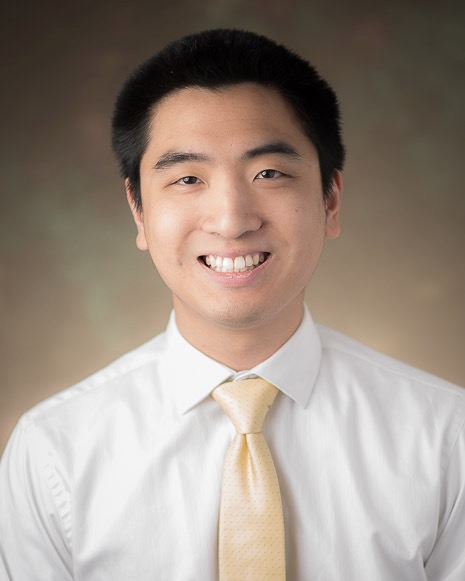
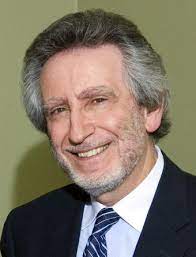
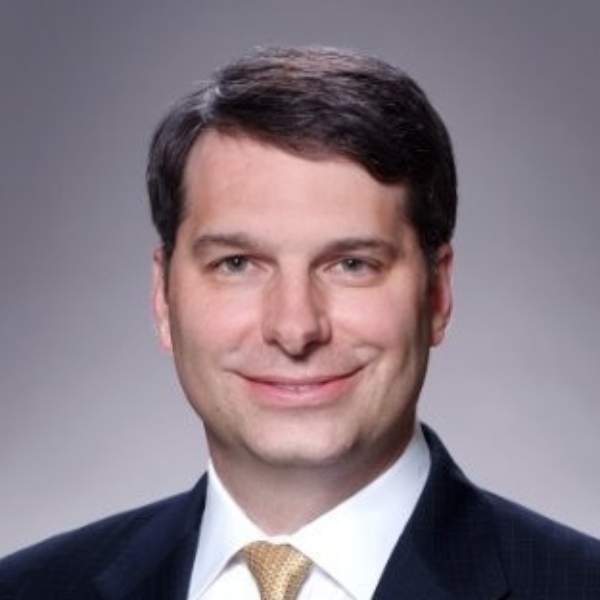
About the Author: Dr. Lynn Puana is a specialist in Integrative Brain Health & Cognitive Medicine. Her practice integrates evidence-based neuroscience with functional medicine, nutritional psychiatry, and mind-body approaches to support cognitive vitality across the lifespan.
Introduction
When most people think about brain health, they envision a neurologist’s office — clinical white walls, cognitive tests, and prescriptions. But a growing movement in modern medicine is challenging this narrow view. Integrative Brain Health & Cognitive Medicine is redefining how we understand, protect, and restore the human mind, and practitioners like Dr. Lynn Puana are at the vanguard of this transformative shift.
The field sits at the intersection of neuroscience, functional medicine, nutrition, psychology, and ancient healing traditions. It asks a fundamentally different question from conventional neurology: not merely “What is wrong with this brain?” but “What does this brain need to thrive?” The answer, as Dr. Lynn Puana frequently reminds her patients, is often found not in a single pill, but in a constellation of lifestyle factors working together.

What Is Integrative Brain Health?
Integrative Brain Health & Cognitive Medicine is a patient-centered approach that combines evidence-based conventional neurology with complementary therapies — including nutritional psychiatry, mindfulness-based stress reduction, sleep optimization, movement medicine, and targeted supplementation. The goal is to address the root causes of cognitive decline, mental health disorders, and neurological dysfunction rather than simply suppressing symptoms.
The field has gained significant momentum as research continues to reveal the brain’s extraordinary neuroplasticity — its ability to rewire, repair, and regenerate well into old age. Studies from institutions like Harvard Medical School and the Cleveland Clinic have demonstrated that lifestyle interventions can meaningfully alter brain structure and function, reducing the risk of conditions like Alzheimer’s disease, depression, ADHD, and even traumatic brain injury recovery timelines.
For Dr. Lynn Puana, the science is deeply personal as well as clinical. “I have watched patients who were told their cognitive decline was irreversible walk out of our practice with sharper memory, reduced anxiety, and renewed engagement with life,” she explains. “That is not magic — that is the biology of an integrated, well-supported nervous system.”
The Promise: What the Science Shows
The evidence base underpinning integrative cognitive medicine has matured considerably over the past decade. The landmark FINGER Trial — a multidomain intervention study conducted across Finland — demonstrated that combining dietary guidance, exercise, cognitive training, and vascular risk management could protect cognitive function in at-risk adults. Similarly, Dr. Dale Bredesen’s ReCODE Protocol has published case studies documenting cognitive reversal in early Alzheimer’s patients through a comprehensive lifestyle-based protocol.
Nutritional neuroscience has emerged as a particularly powerful pillar. Research from the Mediterranean-DASH Intervention for Neurodegenerative Delay (MIND) diet study found that adherents reduced their risk of Alzheimer’s by up to 53 percent. Omega-3 fatty acids, polyphenols, B vitamins, and the gut-brain axis have all become legitimate targets for cognitive medicine practitioners.
Sleep, long undervalued in conventional neurology, has also taken center stage. The discovery of the glymphatic system — the brain’s nocturnal waste-clearance mechanism — revealed that poor sleep is one of the most potent accelerants of amyloid plaque accumulation, the hallmark of Alzheimer’s disease. Chronic stress, inflammation, insulin resistance, and environmental toxin exposure are similarly now recognized as major contributors to cognitive dysfunction.
As Dr. Lynn Puana emphasizes in her clinical practice, “No single intervention will save the brain. The magic is in the matrix — multiple, simultaneous signals telling the nervous system that it is safe, nourished, and supported.”
The Challenges: Navigating Complexity and Skepticism
Integrative Brain Health & Cognitive Medicine is not without its critics or its complications. The very comprehensiveness that makes the approach powerful also makes it difficult to study through traditional randomized controlled trial methodology, which tends to isolate single variables. This has led some conventional neurologists to question the evidentiary rigor of multimodal protocols, even as patients and outcomes tell a compelling story.
Access is another significant barrier. Comprehensive integrative cognitive programs are often not covered by insurance and can involve costly testing — advanced imaging, micronutrient panels, genetic assessments, and detailed biomarker analysis. This creates a troubling equity gap, where cutting-edge brain health interventions remain available primarily to those with financial means. Dr. Lynn Puana acknowledges this tension directly: “We have a moral obligation to make these tools accessible. Democratizing brain health is one of the defining challenges of our time.”
There is also the risk of wellness-industry overreach. The booming market for nootropics, brain-training apps, and unregulated supplements has created considerable noise that serious practitioners must navigate carefully. Not every product marketed for cognitive enhancement has the science to back it up, and patients can be vulnerable to predatory claims. Rigorous, evidence-guided practice — the kind Dr. Lynn Puana models — requires constant discernment.
Real Lives, Real Results
Consider the case of a 58-year-old executive who arrived at a cognitive medicine clinic reporting progressive memory lapses, severe brain fog, and crushing fatigue. Conventional testing had returned “normal” results. An integrative workup revealed subclinical hypothyroidism, severe vitamin D deficiency, sleep apnea, and a highly inflammatory diet. Within eight months of a structured integrative program, his scores on standardized cognitive assessments had normalized, and his subjective experience of mental clarity had transformed entirely.
Or consider a 34-year-old mother of three presenting with treatment-resistant depression and cognitive dulling following a second pregnancy. Standard psychiatric medications had offered only partial relief. An integrative evaluation revealed postpartum depletion of iron, B12, and omega-3s, combined with significant sleep fragmentation and a disrupted circadian rhythm. A targeted nutritional and lifestyle protocol, coordinated alongside her psychiatrist, produced a clinical outcome neither provider had previously achieved for her.
These are the stories that animate the field — and the reason practitioners like Dr. Lynn Puana continue to push for a broader integration of these principles into mainstream medicine.
Looking Forward: A New Standard of Care?
The question facing medicine is no longer whether lifestyle and integrative factors matter for brain health — the science has settled that debate. The question is whether the healthcare system has the will and structural capacity to incorporate these insights at scale.
Medical schools are slowly beginning to include nutritional neuroscience, mind-body medicine, and lifestyle medicine in their curricula. Professional organizations are developing certification pathways for integrative cognitive medicine. The National Institutes of Health has significantly expanded its funding for research into multimodal brain health interventions.
The trajectory is clear: Integrative Brain Health & Cognitive Medicine is moving from the margins to the mainstream. Pioneers like Dr. Lynn Puana are not practicing fringe medicine — they are practicing the future of neurology.
The brain is our most extraordinary organ — and our most neglected. Integrative Brain Health & Cognitive Medicine invites us to meet it with the full complexity it deserves: not as a problem to be managed, but as a living system to be nourished, respected, and understood. In the words of Dr. Lynn Puana, “There is no greater investment you will ever make than in the health of your own mind.”