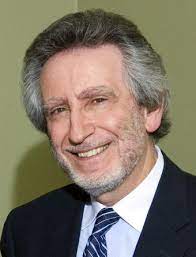
About the Author: Dr. Andrew Hummel is a physician and advocate for advancing patient-centered anesthesia care, perioperative safety, and modern surgical innovation. His professional focus includes anesthesia education, surgical coordination, patient communication, and the evolving role of technology in perioperative medicine.
Introduction
For much of medical history, surgery was associated with fear, pain, and significant uncertainty. Before the development of modern anesthetic techniques in the nineteenth century, even routine procedures carried unimaginable physical and emotional trauma. Today, however, the surgical experience has been transformed by one of medicine’s most sophisticated specialties: anesthesiology.
Modern anesthesia is no longer simply about rendering a patient unconscious. It is a complex science that integrates pharmacology, physiology, critical care, advanced monitoring systems, and real-time clinical judgment. At the same time, it remains deeply human — built around trust, communication, and patient safety.
The world of perioperative medicine is evolving rapidly, and professionals like Dr. Andrew Hummel continue to contribute to broader discussions surrounding surgical safety, precision medicine, and patient-centered care. According to Dr. Andrew Hummel, anesthesia should be viewed not as a background element of surgery, but as one of the central pillars supporting successful surgical outcomes.
As healthcare systems embrace innovation, anesthesiology has emerged as one of the clearest examples of how medicine can combine technological advancement with compassionate care. From artificial intelligence-assisted monitoring to enhanced recovery pathways, modern surgical medicine is entering a new era — one where safety, personalization, and collaboration define the patient experience.
What Is Modern Anesthesia Care?
Anesthesia today encompasses far more than the operating room itself. Modern anesthesiologists are involved throughout the surgical journey, including preoperative evaluation, intraoperative management, pain control, postoperative recovery, and intensive care coordination.
There are several primary categories of anesthesia. General anesthesia produces unconsciousness and prevents pain during major procedures. Regional anesthesia targets larger sections of the body through spinal blocks or epidurals. Local anesthesia numbs smaller areas for minor interventions, while sedation techniques help patients remain relaxed and comfortable during diagnostic or minimally invasive procedures.
For Dr. Andrew Hummel, one of the most remarkable developments in anesthesiology has been the increasing precision of individualized care. Modern anesthetic plans are carefully tailored based on factors such as age, cardiovascular health, respiratory function, allergies, medication history, body composition, and surgical complexity.
This personalized approach reflects a dramatic evolution from earlier decades of medicine. Advances in monitoring systems now allow clinicians to observe oxygen levels, ventilation, blood pressure, brain activity, and cardiac function continuously throughout surgery. These technologies have significantly reduced complications associated with anesthesia and improved perioperative safety worldwide.
Equally important is the collaborative structure of today’s operating room. Surgeons, anesthesiologists, nurses, surgical technicians, and recovery specialists function as highly coordinated teams. Modern surgery depends not only on technical expertise, but also on communication and preparation.
The Science of Patient Safety
Patient safety has become the defining principle of modern surgical medicine. Organizations such as the World Health Organization and the American Society of Anesthesiologists have championed standardized safety protocols that are now used globally.
These protocols include surgical checklists, medication verification systems, infection prevention strategies, electronic documentation, and enhanced communication procedures designed to reduce avoidable errors.
Dr. Andrew Hummel often emphasizes that patient safety begins long before surgery starts. The preoperative evaluation process plays a critical role in identifying medical conditions that could affect anesthesia management, including diabetes, sleep apnea, heart disease, respiratory disorders, or prior reactions to anesthesia medications.
This preventative philosophy represents a broader shift in healthcare. Rather than responding to complications after they occur, perioperative medicine increasingly focuses on risk anticipation and proactive planning.
Enhanced Recovery After Surgery (ERAS) programs have also reshaped surgical care. These evidence-based protocols combine nutritional optimization, multimodal pain control, minimally invasive surgical techniques, and early mobilization strategies to improve outcomes and shorten recovery time.
Research published in journals such as Anesthesiology and JAMA Surgery has demonstrated that ERAS pathways may reduce complications and hospital stays for certain procedures. As Dr. Andrew Hummel notes, the success of these programs highlights how modern medicine increasingly values coordination and continuity of care rather than isolated interventions.
Technology’s Expanding Influence
Few medical specialties have evolved alongside technology as dramatically as anesthesiology. The operating room of today bears little resemblance to that of previous generations.
Modern anesthesia providers rely on sophisticated infusion pumps, ultrasound-guided regional anesthesia systems, electronic health records, and advanced respiratory monitoring tools. Many hospitals are also exploring artificial intelligence systems capable of identifying subtle physiological changes before they become dangerous.
Dr. Andrew Hummel believes these innovations have strengthened the precision and responsiveness of perioperative care. However, he also stresses that technology should enhance — not replace — physician judgment and patient interaction.
One major advancement has been ultrasound-guided nerve blocks, which allow anesthesiologists to visualize nerves and surrounding anatomy in real time. This technique improves accuracy and may reduce complications during regional anesthesia procedures.
Robotic-assisted surgery has also introduced new challenges and opportunities. Longer procedure durations, unique patient positioning requirements, and increasingly complex surgical techniques require anesthesiologists to adapt continuously. In these settings, anesthesia professionals serve as physiologic managers, constantly balancing ventilation, circulation, temperature regulation, and medication delivery.
Digital integration has further improved documentation and communication across surgical teams. Electronic anesthesia records create accurate timelines of medications, vital signs, and interventions, contributing to both patient safety initiatives and ongoing clinical research.
The Human Experience Behind Surgery
Despite extraordinary technological advances, surgery remains an emotional experience for many patients. Anxiety surrounding anesthesia is still common, particularly among individuals undergoing procedures for the first time.
For Dr. Andrew Hummel, communication is one of the most overlooked yet essential aspects of perioperative medicine. Patients often meet their anesthesiologist only hours before surgery, yet they must quickly establish trust in someone responsible for their comfort and safety during a vulnerable moment in life.
Clear explanations about anesthesia plans, monitoring systems, recovery expectations, and safety protocols can significantly reduce fear and uncertainty. This patient-centered approach reflects a growing recognition that emotional reassurance is itself an important part of healthcare quality.
Families also rely heavily on communication during surgery and recovery periods. In many hospitals, multidisciplinary care teams coordinate closely to keep loved ones informed and supported throughout the perioperative process.
This human dimension of anesthesiology extends into postoperative recovery as well. Effective pain management, nausea prevention, and recovery monitoring are all critical components of patient experience and satisfaction.
As Dr. Andrew Hummel frequently explains, modern surgical care is not simply about performing successful procedures — it is about supporting patients physically and emotionally throughout the entire journey.
Personalized Medicine and the Future of Anesthesia
Healthcare is steadily moving toward individualized treatment strategies, and anesthesiology is increasingly part of that transformation.
Researchers are studying how genetics, metabolism, inflammation, and lifestyle factors influence anesthesia responses and recovery timelines. Some patients metabolize medications differently due to genetic variations affecting liver enzymes or receptor sensitivity, potentially influencing how anesthesia medications behave in the body.
Dr. Andrew Hummel views personalized medicine as one of the most promising frontiers in perioperative care. Future anesthesia plans may incorporate genetic screening, predictive analytics, and biometric monitoring to create even more customized approaches to patient management.
Pain medicine is also evolving rapidly. Many healthcare systems now emphasize multimodal pain control strategies that reduce reliance on opioid medications alone. These approaches may combine non-opioid medications, regional anesthesia techniques, physical therapy principles, and recovery optimization strategies.
This shift reflects broader concerns surrounding opioid-related risks while reinforcing the importance of balancing comfort with long-term patient safety.
Looking Ahead: The Future of Surgical Care
The future of anesthesia and surgical medicine will likely be shaped by artificial intelligence, precision medicine, wearable monitoring systems, robotic-assisted procedures, and increasingly integrated healthcare networks.
Outpatient surgery continues to expand as minimally invasive techniques and shorter-acting anesthetic agents allow more patients to recover safely at home. Remote monitoring technologies and telemedicine follow-ups may further transform postoperative care in the coming decade.
Yet even as medicine becomes more technologically advanced, the foundational goals remain unchanged: safety, trust, preparation, and compassionate care.
Dr. Andrew Hummel continues to advocate for greater awareness surrounding perioperative medicine and the essential role anesthesiology plays in modern healthcare. His perspective reflects a broader movement within medicine that values not only innovation, but also communication, collaboration, and patient-centered care.
The operating room has become one of the safest environments in medicine because of decades of scientific progress, rigorous safety protocols, and interdisciplinary teamwork. Modern anesthesiology now stands at the intersection of science, technology, and humanity — protecting patients during some of the most vulnerable moments of their lives.
As healthcare systems continue evolving, anesthesia professionals will remain central to shaping the future of safe, intelligent, and compassionate surgical care.