Introduction
Orthopedic surgery encompasses a wide range of specialties focused on restoring the function of the musculoskeletal system after injury, disease, or age-related degeneration. Within this field, two areas demand particularly advanced expertise: orthopedic trauma surgery and hip and knee reconstruction. Although these specialties are often viewed separately, they frequently overlap, especially when serious injuries affect major joints and require both immediate surgical management and long-term restoration of joint function.
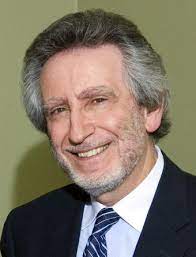
Dr. Steven Shannon, M.D. is a board-certified orthopedic surgeon whose professional focus includes both orthopedic trauma surgery and hip and knee reconstruction. This combination of specialties reflects expertise in managing complex musculoskeletal conditions involving fractures, joint injuries, and reconstructive procedures. The integration of trauma care with reconstructive orthopedic surgery represents an important area of modern orthopedic practice, where knowledge of bone healing, arthroplasty, and long-term joint function contributes to comprehensive musculoskeletal care.
This article provides an informational overview of these orthopedic specialties and explains how Dr. Steven Shannon, M.D.‘s dual focus aligns with the evolving needs of modern orthopedic medicine. It is intended for educational purposes only and should not be interpreted as medical advice.
Orthopedic Trauma Surgery: A Specialized Area of Musculoskeletal Care
Understanding Orthopedic Trauma
Orthopedic trauma surgery focuses on injuries involving bones, joints, ligaments, tendons, and surrounding soft tissues that occur as the result of significant physical trauma. These injuries may arise from motor vehicle accidents, falls, sports injuries, or other high-impact events. In many situations, trauma surgeons work alongside emergency medicine physicians and multidisciplinary hospital teams to address injuries affecting multiple areas of the body, commonly referred to as polytrauma.
An orthopedic trauma surgeon specializes in evaluating fracture patterns, restoring skeletal alignment, and supporting the body’s natural bone healing process through appropriate surgical or non-surgical management. Some injuries involve simple fractures, while others require complex fracture repair because they affect joints, include multiple bone fragments, or involve surrounding soft tissues.
The Importance of Specialized Expertise
The field continues to evolve through advances in surgical technology, fixation techniques, medical imaging, and rehabilitation principles. Treatment planning often considers fracture stability, joint preservation, anatomical alignment, and long-term musculoskeletal function.
As a board-certified orthopedic surgeon, Dr. Steven Shannon, M.D. specializes in orthopedic trauma surgery, reflecting professional expertise in the management of complex fractures and traumatic musculoskeletal injuries. His practice area represents one of the most technically demanding disciplines within orthopedic surgery, requiring an understanding of both acute injury management and the biological processes that influence successful healing.
Hip and Knee Reconstruction: Advancing Joint Restoration
The Scope of Hip and Knee Reconstruction
Hip and knee reconstruction is a subspecialty of orthopedic surgery focused on restoring the structure and function of joints affected by arthritis, previous injuries, deformity, or other conditions that impact mobility. The field includes a variety of reconstructive procedures designed to improve joint mechanics and preserve or restore movement.
One of the best-known areas within this specialty is arthroplasty, commonly known as joint replacement surgery. Arthroplasty involves replacing damaged joint surfaces with prosthetic components engineered to replicate natural movement. Advances in implant materials, surgical planning, and postoperative rehabilitation continue to improve the durability and performance of modern joint replacements.
Modern Reconstructive Techniques
The specialty also includes revision joint surgery, which addresses previously replaced joints that require additional reconstruction due to implant wear, loosening, instability, or other mechanical considerations. Revision procedures often involve different surgical planning than primary joint replacement because they may require management of altered bone anatomy or existing implants.
Another area of continued advancement involves minimally invasive knee surgery, where selected procedures use smaller surgical approaches while maintaining the goals of accurate implant positioning and joint restoration. Not every patient or condition is appropriate for minimally invasive techniques, but these innovations demonstrate the ongoing evolution of orthopedic surgery.
As a specialist in hip and knee reconstruction, Dr. Steven Shannon, M.D. focuses on this important area of orthopedic practice, combining knowledge of reconstructive techniques with an understanding of joint anatomy, biomechanics, and long-term musculoskeletal function.
The Connection Between Orthopedic Trauma and Joint Reconstruction
Although orthopedic trauma surgery and reconstructive joint surgery are distinct specialties, they frequently intersect in clinical practice. Serious fractures involving the hip, pelvis, knee, or surrounding joints may influence joint mechanics long after the original injury has healed. Likewise, previous trauma can contribute to structural changes that eventually require reconstructive evaluation.
Physicians who specialize in both disciplines develop an understanding of how traumatic injuries may affect future joint health. This broader perspective encompasses fracture healing, joint preservation, implant considerations, and reconstructive planning when appropriate.
The relationship between trauma surgery and hip and knee reconstruction also reflects the importance of preserving anatomical alignment whenever possible. Decisions made during fracture management can influence future joint function and may affect subsequent reconstructive procedures.
Dr. Steven Shannon, M.D. represents this integrated professional focus through specialization in both orthopedic trauma surgery and reconstructive joint care. His dual expertise illustrates how these complementary fields contribute to the broader practice of modern orthopedic surgery while emphasizing comprehensive understanding of musculoskeletal anatomy, biomechanics, and surgical principles.
Conclusion
Modern orthopedic surgery encompasses a diverse range of highly specialized disciplines that address injuries and conditions affecting the musculoskeletal system. Among these, orthopedic trauma surgery and hip and knee reconstruction represent two closely connected areas requiring advanced surgical knowledge and technical expertise. As a board-certified orthopedic surgeon specializing in both fields, Dr. Steven Shannon, M.D. exemplifies the integration of trauma-focused orthopedic care with reconstructive joint surgery. His dual specialization highlights the relationship between fracture management, arthroplasty, complex fracture repair, revision joint surgery, and the ongoing advancement of orthopedic science. This article is provided solely for informational purposes and is not intended to provide medical advice, diagnosis, or treatment recommendations.