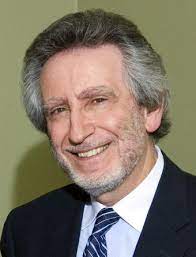
Dr. Brian Hasselfeld, MD, is a physician and healthcare technology leader at Johns Hopkins Medicine who has built his career around improving the way healthcare is delivered through digital innovation. His work brings together clinical medicine, technology, and healthcare strategy, making him an interesting example of a physician helping shape the next generation of patient care.

Hasselfeld serves as the Medical Director for Digital Health and Innovation at Johns Hopkins Medicine. In this role, he works on developing and implementing technologies designed to improve healthcare delivery, patient engagement, and clinical workflows. His work reflects a growing recognition that digital tools can play an important role in making healthcare more accessible and efficient.
His background includes clinical training in internal medicine, and he has maintained a strong interest in using technology to solve practical problems in medicine. Rather than treating digital health as separate from clinical care, Hasselfeld has focused on connecting technology with the everyday experiences of patients and healthcare professionals.
One of the major areas of his work is digital patient engagement. Healthcare organizations increasingly use mobile applications, remote monitoring, telehealth, and other digital platforms to help patients participate more actively in their care. Hasselfeld has been involved in efforts to evaluate and implement these technologies within a major healthcare system.
His work has also included exploring how emerging technologies can improve communication between patients and clinicians. Digital tools can make it easier for patients to access information, communicate with healthcare teams, and manage aspects of their care outside traditional appointments.
Hasselfeld has remained active in healthcare innovation and leadership in 2026. Johns Hopkins has recognized his contributions to digital health and innovation, highlighting his role in advancing new approaches to healthcare delivery. His position places him at the intersection of medicine and one of the fastest-changing areas of modern healthcare.
Artificial intelligence is another major development transforming healthcare, and physicians working in digital innovation are increasingly involved in determining how these technologies can be used responsibly. The challenge is not simply developing new technology but ensuring that it actually improves care while maintaining patient safety, privacy, and clinical quality.
Hasselfeld’s work illustrates why physicians are increasingly important participants in healthcare technology. Doctors understand the realities of clinical practice, while technology specialists understand what new tools can potentially accomplish. Bringing these perspectives together can make it easier to develop digital solutions that address genuine healthcare problems.
Beyond technology itself, Hasselfeld’s work reflects a broader shift toward more connected healthcare. Telemedicine, remote patient monitoring, digital communication, and data-driven care are changing the traditional relationship between patients and healthcare systems. These developments can potentially allow some aspects of care to happen closer to where patients live and work.

What makes Dr. Brian Hasselfeld notable is his focus on turning innovation into practical healthcare improvements. His career demonstrates that the future of medicine will not depend solely on new drugs and procedures. It will also depend on how effectively healthcare organizations use technology to connect patients, physicians, and information.
Through his leadership in digital health, clinical experience, and commitment to healthcare innovation, Dr. Hasselfeld represents the increasingly important role physicians play in shaping technology-driven healthcare. His work at Johns Hopkins places him among the medical professionals helping define what a more connected and digitally enabled healthcare system could look like.