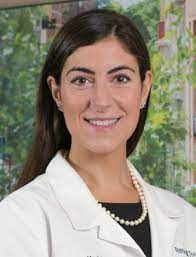
The fight against infectious diseases increasingly depends on more than antibiotics and traditional diagnostic methods. Physicians are turning to data science and artificial intelligence to better understand infections, identify high-risk patients and improve treatment decisions. Dr. Matthew Robinson, an infectious disease physician and researcher at Johns Hopkins University, is working directly at this intersection.
Robinson is an Associate Professor in the Division of Infectious Diseases at Johns Hopkins School of Medicine. His research has focused on antimicrobial resistance, antibiotic stewardship, infectious disease diagnostics and the use of clinical data to improve patient care.

His interest in infectious disease developed through a combination of medical training and international health experiences. His career has included work involving global infectious disease research, giving him experience with the challenges of diagnosing and treating infections in different healthcare environments.
One of Robinson’s notable areas of work has been the use of data-driven tools to help physicians make decisions during serious infections. During the COVID-19 pandemic, he was involved in developing the Severe COVID-19 Adaptive Risk Predictor, a tool designed to help estimate the likelihood that hospitalized patients would experience severe outcomes.
That experience helped demonstrate the potential of combining clinical expertise with computational approaches. Instead of relying exclusively on individual measurements, data-driven systems can analyze numerous pieces of information and help clinicians identify patterns that may otherwise be difficult to recognize.
Robinson’s research has continued to evolve alongside advances in artificial intelligence. In 2026, he was selected as a Johns Hopkins Center for Innovative Medicine Next Generation Scholar. His current work includes exploring large language models for antibiotic stewardship and guideline-directed therapy at scale.
This is an important area because antimicrobial resistance is one of healthcare’s major ongoing challenges. When bacteria become resistant to commonly used antibiotics, physicians have fewer effective treatment options. Improving antibiotic selection and reducing unnecessary use can therefore play an important role in protecting the effectiveness of existing medications.
Robinson’s work explores how artificial intelligence could potentially help physicians process large amounts of clinical information and apply treatment guidelines more consistently. The objective is not to replace doctors, but to develop tools that can support them when decisions become complicated.
His broader research interests also include drug-resistant Gram-negative infections and better diagnostic strategies. Johns Hopkins research records show continued work involving infectious disease, antimicrobial resistance, clinical data and emerging technologies.
Another notable element of Robinson’s career is his connection to medical education. As a physician and researcher, he works in an environment where clinical care, scientific investigation and training the next generation of physicians intersect.
His career illustrates an important trend in modern medicine: the increasing convergence of medicine and technology. Infectious disease specialists must now consider not only pathogens and medications but also enormous amounts of electronic health information and rapidly developing computational tools.
Dr. Robinson’s recent work with artificial intelligence and antibiotic stewardship makes him a particularly interesting physician to watch. His research addresses two major healthcare challenges at the same time—antimicrobial resistance and the responsible use of emerging AI technology.

As healthcare systems continue searching for ways to make treatment more precise and efficient, physicians who understand both clinical medicine and advanced data technologies will become increasingly important. Robinson’s work at Johns Hopkins demonstrates how that combination can be used to explore practical solutions to some of the most persistent problems in infectious disease care.