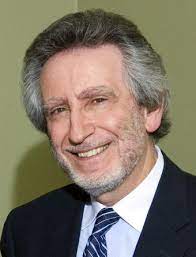
Cardiovascular disease remains one of the biggest challenges in modern healthcare, but physicians are increasingly looking beyond simply treating heart problems after they occur. Dr. Hani Jneid, a cardiologist and physician-scientist at the University of Texas Medical Branch (UTMB), is helping advance that shift toward prevention, research and personalized cardiovascular care.

Dr. Jneid serves as Professor of Medicine, Chair of the Department of Cardiovascular Medicine and Director of the Sealy Heart and Vascular Institute at UTMB. He is also a practicing interventional cardiologist whose expertise includes complex coronary interventions and transcatheter aortic valve implantation (TAVI). His research interests include acute coronary syndromes, coronary artery disease, revascularization and cardiovascular outcomes.
Over the course of his career, Jneid has contributed to hundreds of peer-reviewed publications and has participated in national cardiovascular guidelines and clinical research. His work has focused heavily on determining which treatments provide the best outcomes for patients with serious cardiovascular conditions.
One of his most notable recent initiatives is the Galveston Heart Study, launched by UTMB in 2026 with Jneid serving as principal investigator. The long-term research project is designed to examine cardiovascular health and the factors that influence it across the community.
Rather than focusing only on patients after they develop heart disease, the study takes a broader approach. Researchers are examining cardiovascular risk factors alongside areas including brain health, aging and frailty, social determinants of health, biomarkers and genetic risk.
The goal is to develop a clearer picture of cardiovascular health over time and potentially identify risks earlier. Jneid has described the vision as moving from reactive cardiology toward a more predictive and preventive model of care.
His research activity has also continued in 2026. Recent work involving Jneid has examined cardiovascular outcomes in patients undergoing procedures such as transcatheter aortic valve replacement and has investigated treatment strategies for patients with cardiovascular disease.
This combination of clinical medicine and research is central to Jneid’s approach. As an interventional cardiologist, he works directly with patients who may require complex procedures. As a researcher, he studies the evidence behind those interventions and how physicians can improve outcomes.
Jneid’s leadership at UTMB is also helping expand cardiovascular research and care in Texas. The Sealy Heart and Vascular Institute provides a platform for clinical care, research, education and long-term studies designed to improve understanding of heart disease.

What makes Dr. Jneid particularly notable is the breadth of his work. He combines hands-on cardiovascular care with large-scale research and institutional leadership. His recent involvement in the Galveston Heart Study is especially promising because it emphasizes prevention and long-term health rather than simply responding to cardiovascular disease after it appears.
As medicine increasingly moves toward earlier detection and personalized prevention, physicians like Jneid are helping create a model in which research and patient care work together. His work demonstrates how cardiovascular medicine can evolve from treating disease to identifying risks earlier and helping communities achieve better heart health.