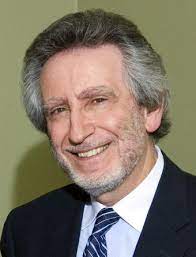
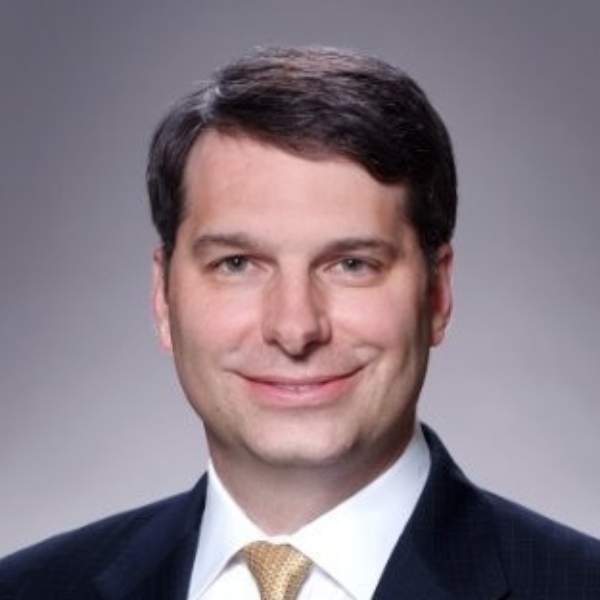
In today’s interconnected world, diseases can spread across continents in a matter of hours. Identifying outbreaks quickly and responding effectively has become one of the most important challenges facing healthcare systems. Few individuals have done more to advance that mission than Dr. John Brownstein.

A physician, epidemiologist, researcher, and entrepreneur, Brownstein has spent his career at the intersection of public health, technology, and data science. His innovative work has transformed how governments, hospitals, and health organizations track infectious diseases and respond to emerging health threats.
Over the past decade, Brownstein has become one of the most recognized voices in digital epidemiology, a field that uses technology and data to monitor disease activity in real time. His contributions have helped public health officials make faster decisions, identify outbreaks earlier, and better protect communities from health emergencies.
Brownstein currently serves as Chief Innovation Officer at Boston Children’s Hospital and is a professor at Harvard Medical School. Throughout his career, he has focused on leveraging data and technology to improve healthcare outcomes on a large scale.
His academic journey began with a passion for understanding how diseases spread through populations. Early in his career, he recognized that traditional public health surveillance systems often struggled to keep pace with rapidly evolving outbreaks. This realization inspired him to develop innovative tools that could gather and analyze information from a wide variety of digital sources.
One of Brownstein’s most influential contributions has been the development of digital disease surveillance platforms that monitor public health trends using data from online sources, healthcare systems, and community reporting networks. These systems provide health officials with near real-time information about emerging threats.
His work gained widespread attention during major public health events including influenza outbreaks, the Zika virus epidemic, and the COVID-19 pandemic. During these crises, Brownstein became a trusted source of information for healthcare professionals, policymakers, journalists, and the public.
In addition to his public health leadership, Brownstein has played a significant role in advancing healthcare innovation through entrepreneurship. He has helped develop digital health platforms designed to improve patient communication, care coordination, and population health management.
His research portfolio is equally impressive. Brownstein has authored hundreds of scientific publications and has been cited extensively by researchers worldwide. His work spans epidemiology, artificial intelligence, healthcare analytics, disease forecasting, and public health policy.
More recently, Brownstein has become a leading advocate for the responsible use of artificial intelligence in healthcare. He believes that AI can help clinicians make better decisions, improve efficiency, and identify public health trends that might otherwise go unnoticed. At the same time, he emphasizes the importance of maintaining transparency, privacy protections, and ethical standards.
Colleagues often describe Brownstein as a visionary thinker who combines scientific rigor with practical problem-solving. Rather than focusing solely on theoretical research, he consistently seeks ways to translate innovation into real-world impact.
His efforts have earned recognition from healthcare organizations, technology leaders, and government agencies alike. Yet despite his many accomplishments, Brownstein remains focused on a simple goal: helping people live healthier lives through better information and smarter healthcare systems.

As public health challenges continue to evolve, Dr. John Brownstein’s work serves as a powerful example of how technology and medicine can work together to improve outcomes for entire populations. His leadership has helped shape a future where healthcare systems are more informed, more responsive, and better equipped to protect communities around the world.