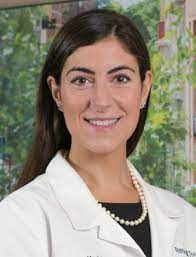
Dr. Lauren Henderson is a pediatric rheumatologist and physician-scientist whose work is reshaping how juvenile autoimmune diseases are understood and treated. Based at Boston Children’s Hospital and serving as an Associate Professor of Pediatrics at Harvard Medical School, Dr. Henderson blends cutting-edge research with deeply compassionate clinical care.

Her specialty is juvenile idiopathic arthritis (JIA), a chronic inflammatory condition that can affect children for life if not properly managed. Dr. Henderson’s research focuses on the immune system mechanisms that drive persistent inflammation in young patients. By studying how specific T cells and B cells interact inside inflamed joints, her team has uncovered pathways that may explain why certain children experience more aggressive disease.
One of her most promising areas of discovery involves identifying immune signaling patterns that could allow doctors to predict how patients will respond to treatment. This opens the door to more personalized care — moving away from trial-and-error prescribing toward therapies tailored to each child’s immune profile.
In recognition of her contributions, Dr. Henderson received the Gale and Ira Drukier Prize in Children’s Health Research, honoring early-career pediatric leaders whose work shows exceptional promise. Beyond the lab, she also helps develop national clinical guidelines for serious inflammatory conditions such as MIS-C and macrophage activation syndrome, helping standardize care for critically ill children across the country.

Dr. Henderson co-directs Boston Children’s Multidisciplinary Immune Dysregulation and Autoimmunity Syndrome (MIDAS) Clinic, where specialists from multiple disciplines collaborate to diagnose and treat complex immune disorders. This integrated model ensures patients benefit directly from the latest scientific insights.
Through her research, leadership, and dedication to families, Dr. Henderson is helping build a future where children with autoimmune disease can achieve longer remissions, fewer medications, and better quality of life.