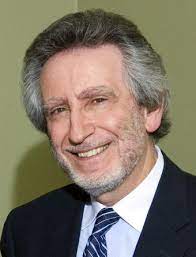
Dr. Eric Topol is one of America’s most influential physician-thinkers, standing at the intersection of cardiology, digital health, and artificial intelligence. Based in California, Dr. Topol has spent decades reimagining how technology can improve accuracy, accessibility, and humanity in medicine.
A graduate of Johns Hopkins University School of Medicine, Dr. Topol trained in cardiology and quickly rose to prominence through his clinical and research work. He later founded and led the Scripps Research Translational Institute, where his focus turned toward integrating data science, genomics, and AI into everyday medical care.
One of Dr. Topol’s most notable contributions in recent years has been his advocacy for AI-assisted diagnostics. He has consistently emphasized that artificial intelligence should support doctors, not replace them. His research highlights how AI can reduce diagnostic errors, shorten time to diagnosis, and improve outcomes in imaging, pathology, cardiology, and primary care.
Dr. Topol has also been a vocal proponent of patient empowerment. He believes the future of American healthcare lies in giving individuals greater access to their own data, wearable technologies, and personalized insights. This shift, he argues, allows patients to become active participants in their health rather than passive recipients of care.
Beyond research, Dr. Topol is widely respected for his ethical leadership. He frequently addresses concerns around bias in algorithms, data privacy, and transparency in AI systems. By insisting on rigorous validation and accountability, he has helped guide large-scale discussions about responsible innovation in U.S. healthcare.

During public health crises, Dr. Topol has emerged as a trusted communicator, translating complex scientific data into clear, actionable insights for clinicians and the public. His ability to break down emerging research has made him a key figure in shaping informed decision-making nationwide.
For MoversAndShakers.io, Dr. Eric Topol embodies forward-thinking American medicine, where innovation serves people, not systems. His work continues to influence how healthcare leaders, hospitals, and policymakers approach the future.