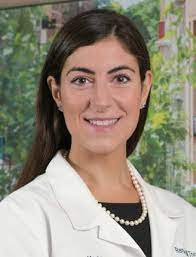
Dr. Noelle Younge, MD, MHS, is a respected neonatologist and medical researcher at Duke University School of Medicine in Durham, North Carolina. Her work focuses on improving the health and development of premature infants, particularly babies born extremely early who face challenges with growth, nutrition, and long-term development.
She serves as the Jean and George W. Brumley, Jr., MD, Associate Professor of Pediatrics in Duke’s Division of Neonatology. Alongside caring for vulnerable newborns, she leads research investigating how the gut microbiome influences infant growth and development.
Dr. Younge earned her medical degree from the University of Minnesota Medical School in 2008. She completed her pediatric residency at the same institution before pursuing specialized fellowship training in neonatal-perinatal medicine at Duke University. She also earned a Master of Health Sciences degree from Duke in 2015.
Her combination of clinical experience and research training has helped her develop a particular interest in understanding why some premature babies struggle to grow despite receiving carefully managed nutrition in neonatal intensive care units (NICUs).

Understanding the Role of Gut Bacteria in Infant Development
One of Dr. Younge’s major research interests involves the gut microbiome, the community of microorganisms living inside the digestive system.
The microbiome plays important roles in digestion, metabolism, immune function, and overall health. Dr. Younge has been investigating whether differences in gut bacteria can help explain why some extremely premature infants experience poor growth.
Her earlier research identified differences in the gut microbiomes of premature babies who experienced growth difficulties compared with those who developed more normally.
Building on these findings, she led a study published in JCI Insight in August 2026 that investigated whether gut bacteria could directly influence growth.
The research team transferred bacteria collected from premature infants into newborn mice. The animals receiving bacteria from infants with poor growth experienced slower weight gain, while those receiving bacteria from infants who had grown appropriately showed better growth outcomes.
An especially encouraging finding was that introducing bacteria associated with healthy growth prevented growth problems in the experimental model.
A Promising Development for Premature Infants
The September 2026 announcement from Duke University highlighted the potential importance of these findings.
Dr. Younge’s research suggests that modifying the gut microbiome could eventually become a new approach to supporting the development of extremely premature babies.
Potential future strategies include microbiome-targeted therapies, probiotics, and specialized nutritional approaches designed to encourage healthier bacterial communities.
These treatments are not yet established therapies for preventing growth problems in premature infants. Further research and clinical studies are necessary to determine whether the findings can be safely translated into patient care.
Dr. Younge has also received National Institutes of Health funding for a research project running from 2026 through 2031. The project will investigate how gut microorganisms influence postnatal growth and lipid metabolism, while exploring possible interventions.

Dedication to Better Neonatal Care
Beyond her laboratory research, Dr. Younge remains closely involved in the care of premature infants and their families.
Her work reflects the challenges faced by parents whose babies require extended stays in neonatal intensive care units. Even with carefully planned nutrition and specialized medical attention, some extremely premature infants continue to experience developmental and growth difficulties.
By connecting clinical observations with scientific investigation, she is helping researchers better understand these challenges.
Dr. Noelle Younge’s contributions demonstrate the importance of neonatal research in improving outcomes for vulnerable newborns. Her ongoing work at Duke University offers promising scientific directions that could eventually help premature babies achieve healthier growth and development.