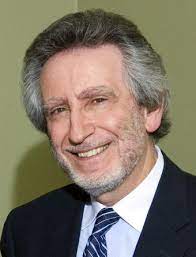
Dr. John H. Krystal, M.D., is a psychiatrist, neuroscientist and physician-scientist at Yale School of Medicine whose research has influenced the understanding and treatment of several major psychiatric disorders. As chair of Yale’s Department of Psychiatry, he has combined clinical medicine with research into depression, post-traumatic stress disorder, schizophrenia and alcohol use disorder.

Krystal is the Robert L. McNeil Jr. Professor of Translational Research at Yale and holds appointments in psychiatry, neuroscience and psychology. His research brings together several areas of neuroscience, including psychopharmacology, neuroimaging, molecular genetics and computational neuroscience.
One of the most influential areas of his career has been research into ketamine and its rapid antidepressant effects. Krystal and his collaborators helped investigate the biological mechanisms behind ketamine’s effects, contributing to a new understanding of how changes in brain signaling can produce relatively rapid improvements in depressive symptoms.
His research examined several mechanisms associated with these effects, including changes in glutamate signaling, brain connectivity and synaptic density. This work contributed to a broader shift in psychiatric research toward treatments that target biological mechanisms beyond traditional approaches.
Krystal’s research has also extended well beyond depression. He and his colleagues investigated the biology of PTSD and alcohol use disorder and conducted research into schizophrenia. His work has included studies examining the biological mechanisms underlying psychiatric symptoms and exploring potential approaches to treatment.
In 2026, Krystal received the Connecticut Medal of Technology, presented by Governor Ned Lamont. Yale reported that the award recognized his discovery of the rapid antidepressant actions of ketamine and its contribution to the development of esketamine, an FDA-approved antidepressant.
His research has also contributed to newer directions in schizophrenia treatment. Yale notes that his work helped identify mechanisms that could support approaches to treating schizophrenia without relying on traditional dopamine D2 receptor blockade. The FDA approved Cobenfy, a drug using a different mechanism, in 2024.
Another important part of Krystal’s work involves PTSD. He has helped establish research infrastructure for studying the biological basis of the disorder, including co-founding the National PTSD Brain Bank and participating in large-scale transcriptomic research.

Throughout his career, Dr. Krystal has demonstrated how psychiatry can benefit from combining patient care with neuroscience and advanced research methods. His work has helped investigate why certain psychiatric treatments work, how the brain responds to them and how new therapeutic approaches might be developed.
His 2026 recognition reflects a career spanning clinical psychiatry, neuroscience and translational research. For patients and researchers alike, his work illustrates the continuing effort to develop more targeted and scientifically informed approaches to some of medicine’s most complex disorders.