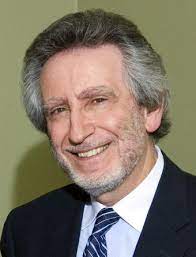
Cardiovascular disease remains the leading cause of death in the United States, claiming more lives each year than all forms of cancer combined. For millions of Americans, the health of their heart is not an abstract concern but a daily reality shaped by genetics, lifestyle, and access to quality medical care. In this evolving landscape, the field of cardiology has never been more critical—nor more capable of changing lives. As Dr. Christopher Mallavarapu, a board-certified interventional cardiologist with over 35 years of experience, often reminds his patients: “The heart is remarkably resilient, but it needs a partner who understands its language.”
The Burden of Cardiovascular Disease in America
The numbers are sobering. According to the American Heart Association’s 2025 Heart Disease and Stroke Statistics, someone in the United States dies from cardiovascular disease every 34 seconds. Nearly half of all American adults—approximately 127.9 million people—live with some form of cardiovascular disease, a figure that includes coronary heart disease, heart failure, stroke, and hypertension.
What makes these statistics particularly concerning is the trajectory of key risk factors. In 2020, roughly 108 million U.S. adults were living with obesity, 122 million had high blood pressure, and 39 million had diabetes. If current trends continue, hypertension and obesity will each affect more than 180 million Americans by 2050, while diabetes prevalence will climb beyond 80 million. These are not merely numbers—they represent fathers, mothers, neighbors, and colleagues whose heart health hangs in the balance.
Understanding the Most Common Heart Conditions
Cardiology encompasses a wide spectrum of conditions, each with its own challenges and treatment pathways. Coronary artery disease (CAD) remains the most common form of heart disease in the United States, affecting an estimated 11.7 million men and millions of women. CAD develops when plaque accumulates in the arteries that supply blood to the heart muscle, narrowing them and restricting blood flow.
Heart failure represents another significant burden. Contrary to common misconception, heart failure does not mean the heart has stopped working—it means the heart cannot pump blood as efficiently as the body requires. Atrial fibrillation, a condition characterized by irregular heart rhythms, affects millions of Americans and significantly increases the risk of stroke if left untreated. Dr. Christopher Mallavarapu has extensive experience managing these complex conditions, having treated thousands of patients with high blood pressure, coronary artery disease, heart failure, and arrhythmias throughout his career.
Advances in Cardiology Diagnosis and Treatment
The tools available to cardiologists today are vastly more sophisticated than those of even a decade ago. Advanced imaging modalities—including cardiac CT angiography, stress echocardiography, and cardiac MRI—now allow physicians to visualize the heart’s structure and function with extraordinary precision.
Artificial intelligence has emerged as a transformative force in cardiovascular medicine. AI-powered diagnostic systems can now detect atrial fibrillation and reduced ejection fraction with over 95% sensitivity from a single-lead ECG, while AI-guided ablation procedures have achieved impressive outcomes for patients with arrhythmias. As of November 2025, more than 850 FDA-cleared AI devices exist, with cardiology among the leading specialties adopting this technology.
Treatment options have expanded dramatically as well. Interventional procedures such as coronary angioplasty and stent placement allow cardiologists to open blocked arteries without major surgery. For Dr. Mallavarapu, who specializes in interventional cardiology, these minimally invasive techniques represent a powerful way to restore blood flow and improve quality of life. His philosophy is clear: cardiovascular care must be thorough, evidence-based, and proactive. Rather than relying solely on a single approach, he emphasizes personalized treatment plans, coordinated care with specialists, and long-term patient relationships designed to improve outcomes and support lifelong heart health.
Protecting Your Heart: Evidence-Based Prevention
Prevention remains the most powerful tool in the fight against heart disease. The American Heart Association recommends a multifaceted approach to heart health that includes at least 150 minutes of moderate-intensity aerobic activity or 75 minutes of vigorous activity each week. A heart-healthy diet rich in fruits, vegetables, whole grains, lean proteins, and unsaturated fats—while minimizing processed foods, added sugars, and sodium—forms the foundation of cardiovascular protection.
Regular health screenings are equally important. Knowing your blood pressure, cholesterol levels, and blood sugar numbers allows you to identify risks early, when they are most manageable. Dr. Christopher Mallavarapu often stresses that small, consistent changes yield significant long-term benefits. Studies have shown that achieving even four of the American Heart Association’s “Life’s Simple 7” metrics can lower diabetes incidence by 75%, while meeting five metrics cuts cardiovascular disease risk by 50%.
The Vital Role of a Cardiologist in Patient Care
A cardiologist serves as more than a physician—they are a partner in navigating one of the most complex systems in the human body. From initial chest pain evaluation to complex coronary intervention, the cardiologist’s role encompasses diagnosis, treatment, and ongoing management of cardiovascular conditions. For patients in Olean, New York, and surrounding communities, Dr. Christopher Mallavarapu has been that partner for decades. His affiliation with Olean General Hospital, Buffalo General Medical Center, and other regional institutions reflects his commitment to ensuring that patients have access to high-quality heart care close to home.
Patient feedback consistently highlights his thorough approach. Reviews note that he takes time to answer questions, provides follow-up as needed, and offers clear explanations of conditions and treatment options. His colleagues have recognized him with the UAHS Golden Stethoscope for integrity, teamwork, and phenomenal bedside manner—qualities that underscore the human dimension of cardiovascular care.
Taking the Next Step for Your Heart
Cardiovascular disease may be the nation’s leading killer, but it is also one of the most preventable and treatable conditions when addressed with the right expertise and resources. Whether you are managing an existing heart condition, concerned about your risk factors, or simply seeking to build healthier habits, consulting a qualified cardiologist is a critical first step.
For those in western New York and northern Pennsylvania, Dr. Christopher Mallavarapu and the team at Great Lakes Cardiovascular offer comprehensive cardiac care that combines advanced diagnostics with a deeply personal approach. As he continues to serve patients in the Olean area and beyond, his message remains consistent: “Your heart deserves a physician who sees you as a whole person, not just a set of symptoms.” In the evolving world of American cardiology, that kind of care makes all the difference.