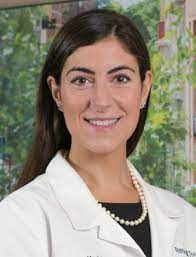
Dr. Karuna Ganesh is a physician-scientist at Memorial Sloan Kettering Cancer Center in New York whose research is focused on one of the most difficult problems in oncology: understanding why cancer cells survive treatment and return.
Ganesh is a medical oncologist and leads the Karuna Ganesh Laboratory, where her team studies metastatic cancer and the biological characteristics that allow tumor cells to adapt, survive and spread. Her work brings together clinical oncology, cancer biology and translational research.

One of the central questions in her research is why some cancer cells can survive treatments that successfully eliminate other tumor cells. These surviving cells may adapt to their surroundings, resist therapy and eventually contribute to metastatic disease.
In March 2026, Ganesh became part of an international research team awarded a Cancer Grand Challenges grant of up to $25 million. The team, known as REWIRE-CAN, is working on new approaches for colorectal cancer, particularly strategies designed to “rewire” cancer cells and make them more vulnerable to treatment.
The research is especially relevant because colorectal cancer can become difficult to treat once it has spread. Existing treatments can lose effectiveness as cancer cells adapt, creating a need for approaches that address the underlying biology of treatment resistance.
Ganesh and her colleagues are studying how cancer cells change their behavior in response to their environment and therapeutic pressure. Rather than simply attempting to destroy cancer cells through conventional methods, the researchers are investigating whether their biological state can be altered in ways that make them easier to target.
Her laboratory focuses particularly on metastatic disease. According to Memorial Sloan Kettering, metastatic cancer accounts for more than 90% of cancer deaths, making research into the behavior of cancer cells after they spread an important area of investigation.
The Cancer Grand Challenges project brings together researchers from institutions in the United States, United Kingdom and Netherlands. The collaboration includes expertise in colorectal cancer, early-onset disease and therapeutic development.
Ganesh’s work is notable not only because of the size of the 2026 research award, but also because of its underlying philosophy. Cancer is not a static disease: tumor cells can change, adapt and respond to their surroundings. Understanding those changes could provide researchers with new opportunities to intervene.
Her career as both a physician and scientist gives her a direct connection to the clinical challenges faced by cancer patients. Research carried out in her laboratory is designed with eventual therapeutic applications in mind, creating a bridge between fundamental cancer biology and patient treatment.
The research remains experimental, and the approaches being investigated will require extensive testing before they can become established cancer treatments. Nevertheless, the work illustrates how modern cancer research is increasingly looking beyond traditional approaches to understand the adaptability of tumors.

For MoversAndShakers.io, Dr. Karuna Ganesh offers an excellent example of a U.S. physician-scientist working on a difficult and highly consequential medical problem. Her 2026 Cancer Grand Challenges project demonstrates the growing importance of collaborative research and innovative thinking in the effort to develop more effective approaches to advanced cancer.